EspUnc251005-001-GM-2024-03-0115-GF008345-200x250mm.jpg

Espaces Incertains – I

Every hundred and fifty years, give or take, Paris undergoes a moult, like a snake shedding its old skin in order to grow. For Paris, the skin has always been the city walls. Today, it's ideally the “Périph” ring road, which replaced the previous skin, the Thiers enclosure.

The first time I lived here, in the late ‘80s, the map of the city I had hung on my wall stopped at the city’s doors, like the metro. Beyond the Périph laid uncharted territory, the other world, the suburbs that no Parisian needed to know, that one would pass through without paying it any attention.

Thirty-five years later, the metro network now extends well beyond the limits of  ‘le 75’ and the inner suburbs are increasingly integrated with the city: les Lilas and Saint-Ouen are no more distant mentally than Montmartre and Ménilmontant, which in turn were suburbs until 1860.

Differences are fading, people mixing, neighbourhoods gentrifying. The ‘walls’ become increasingly uncertain to the mind — thank you, Murakami-san, for this gift of verbal illumination, an apparent oxymoron but so profound a concept.

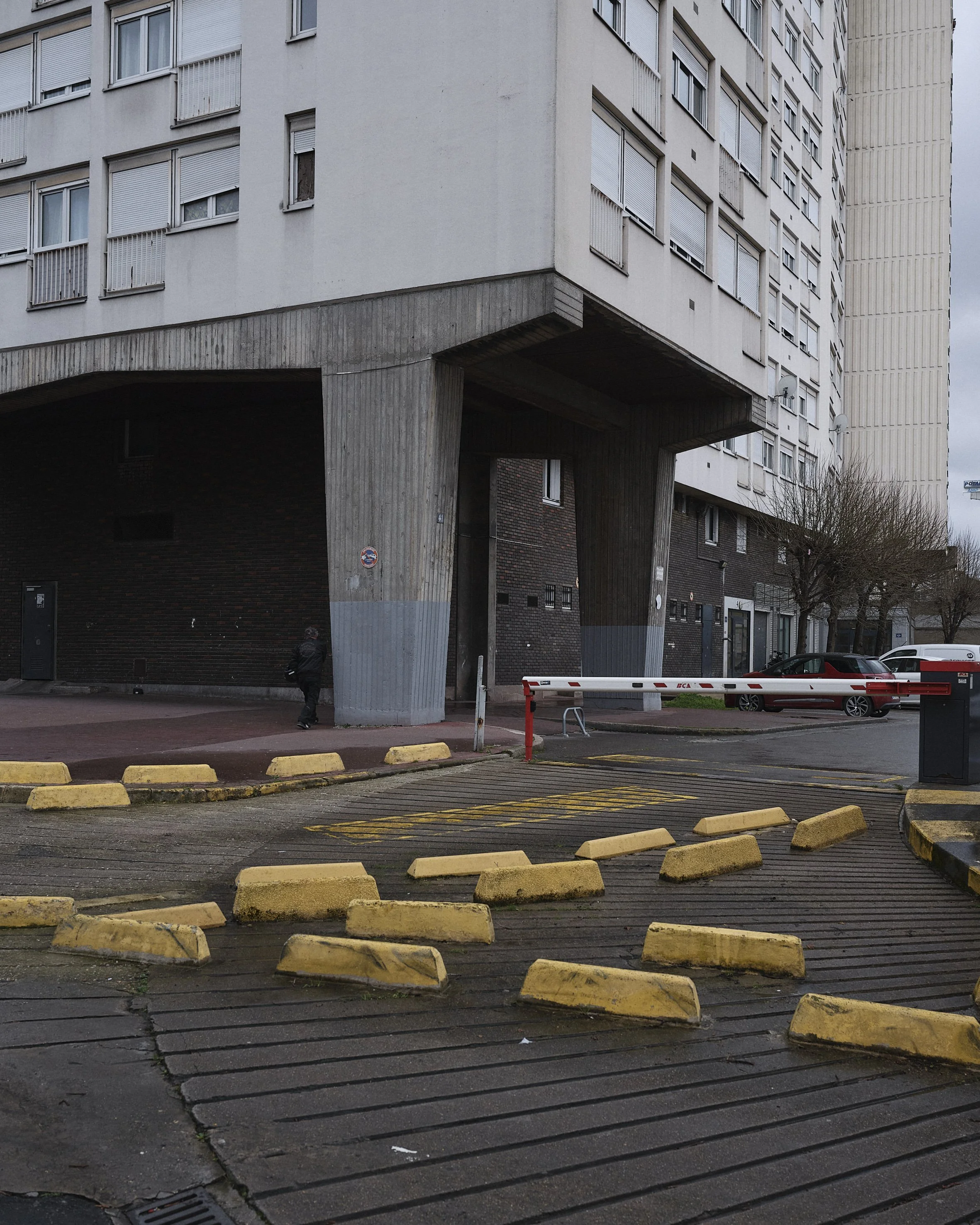
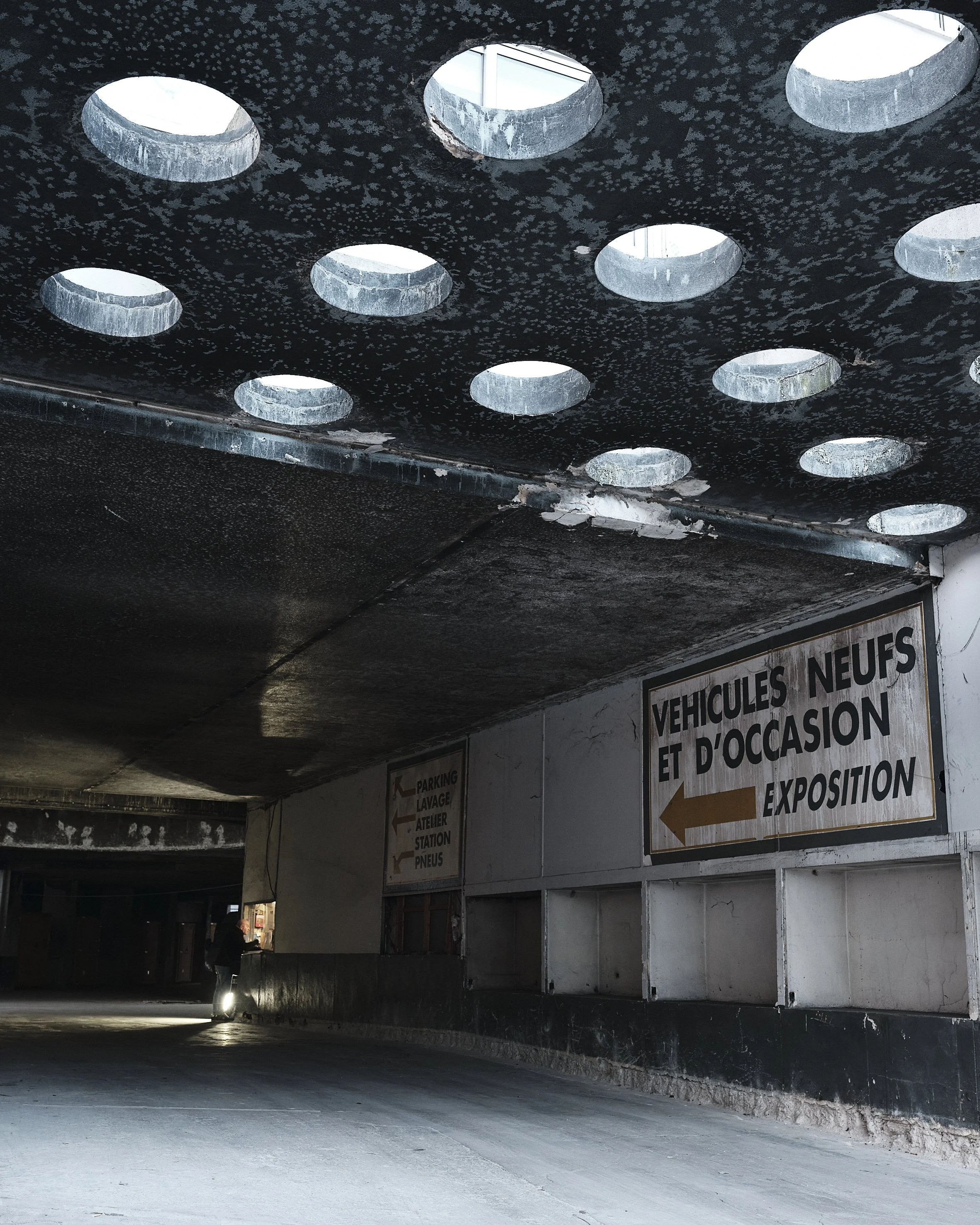
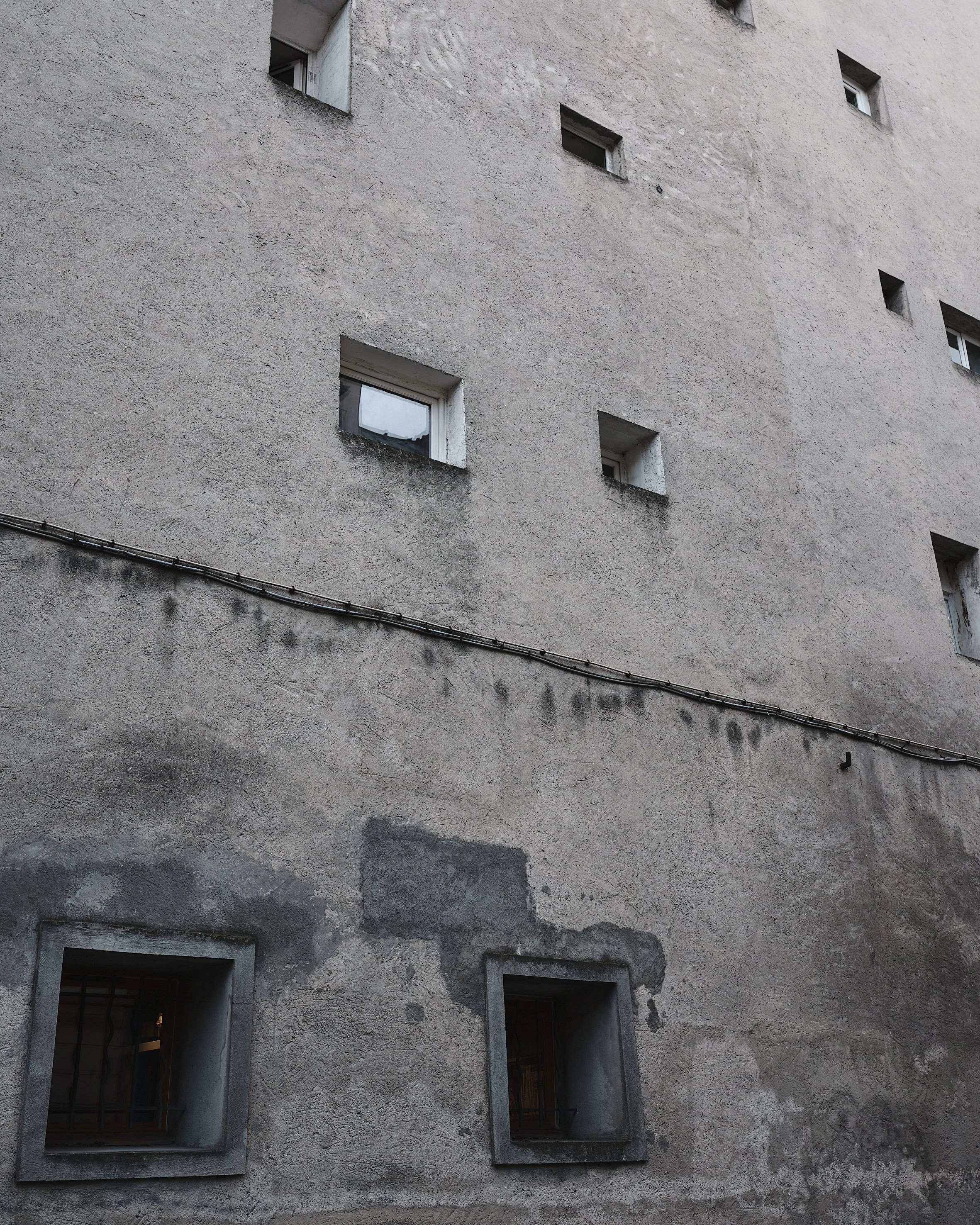
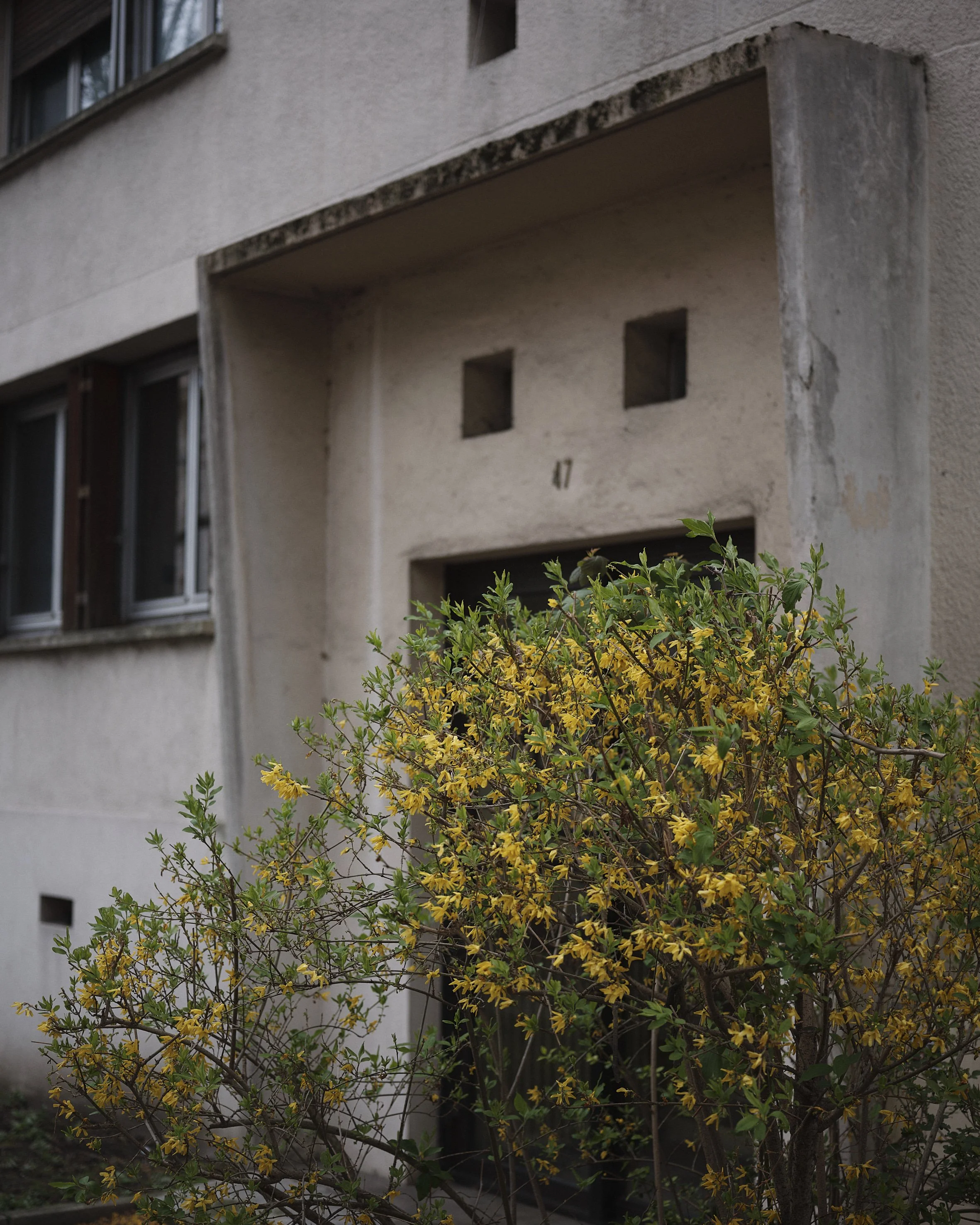
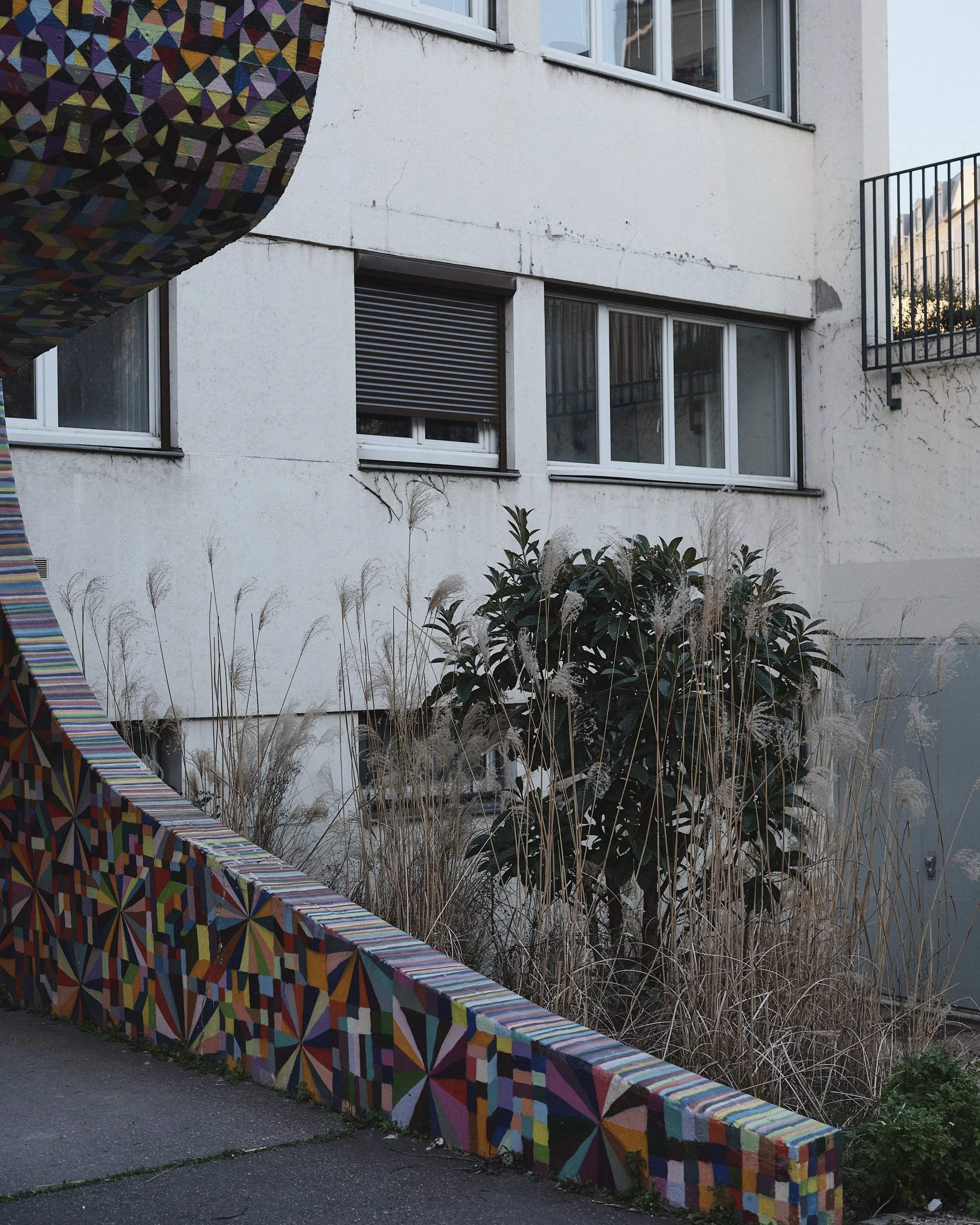
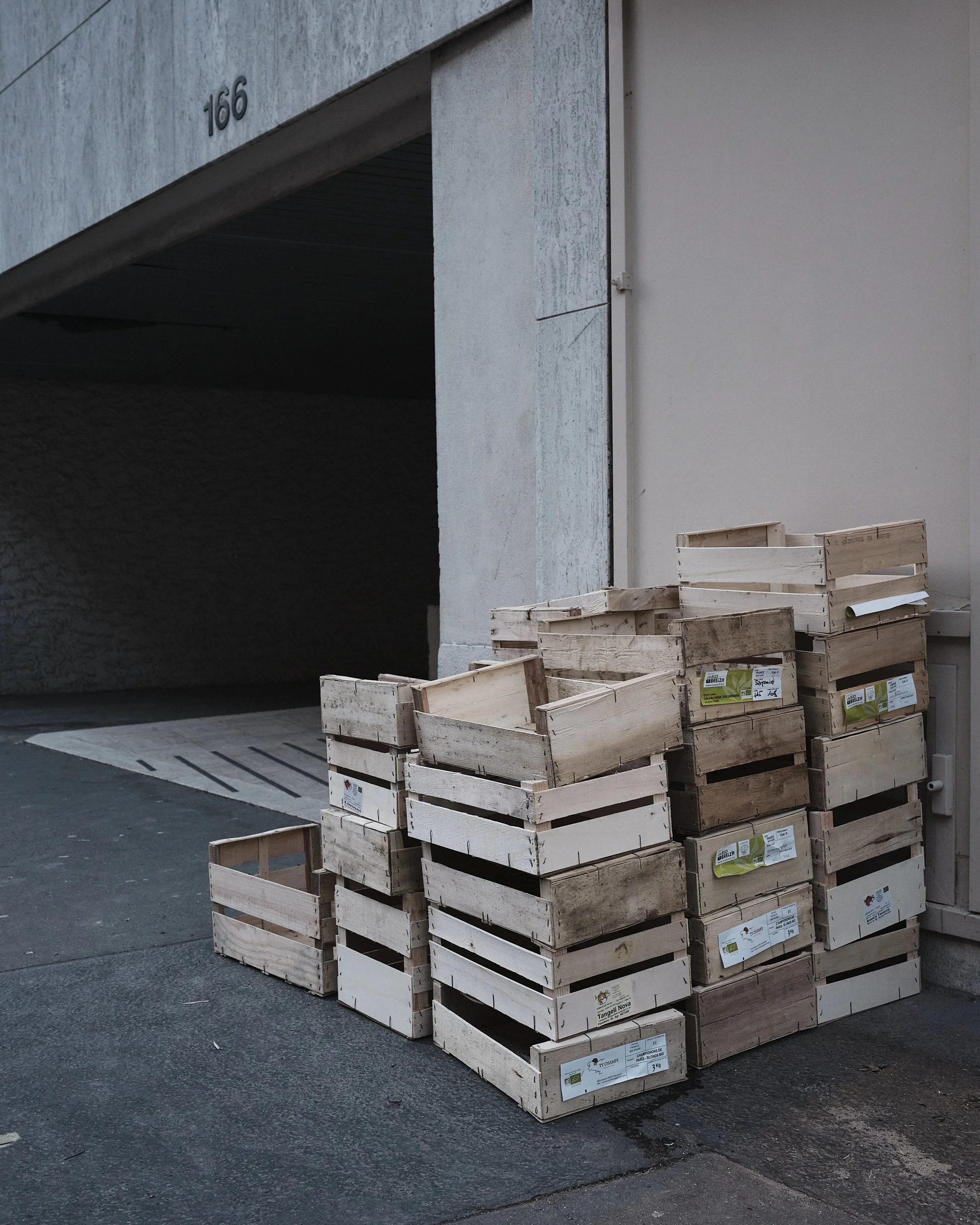
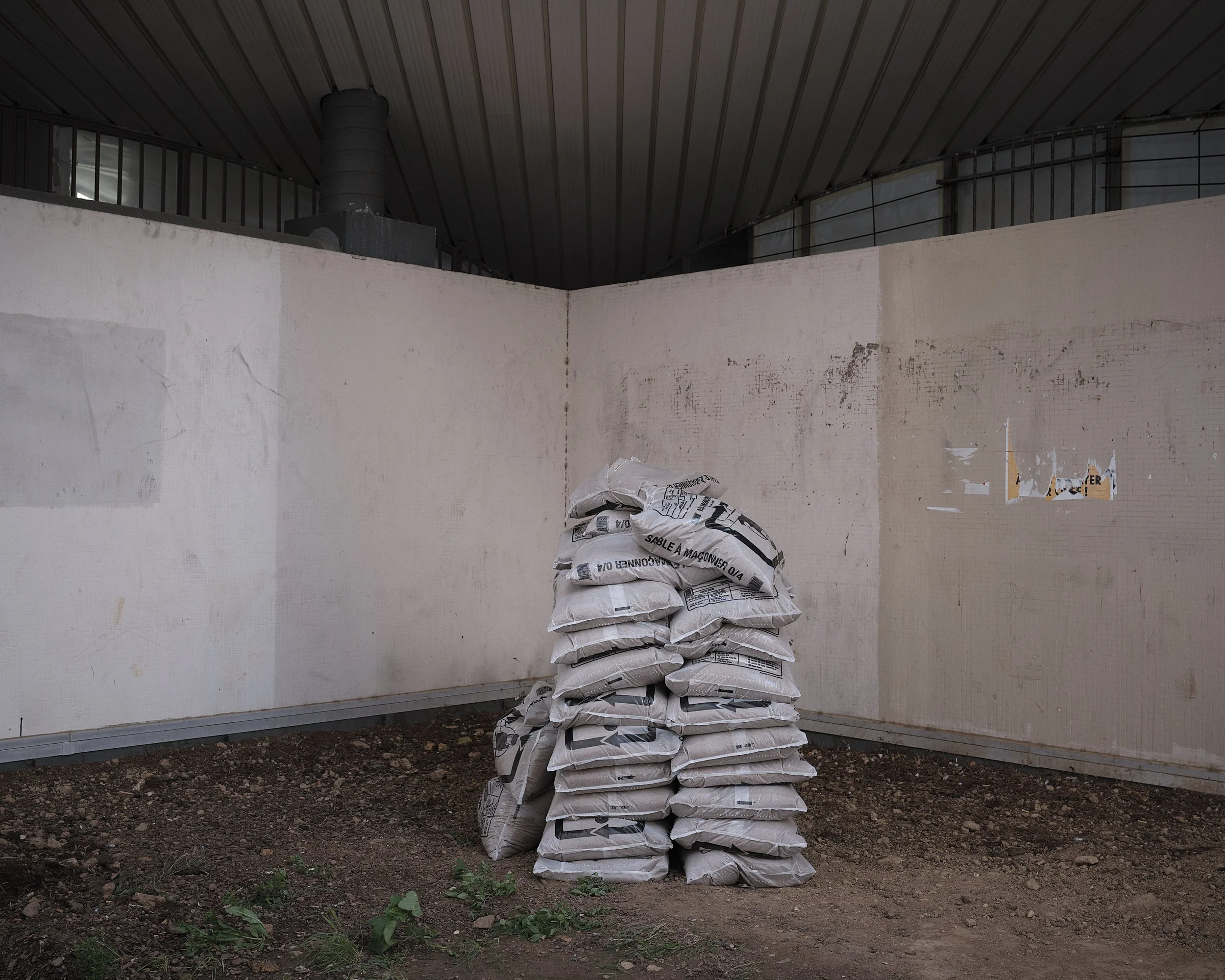
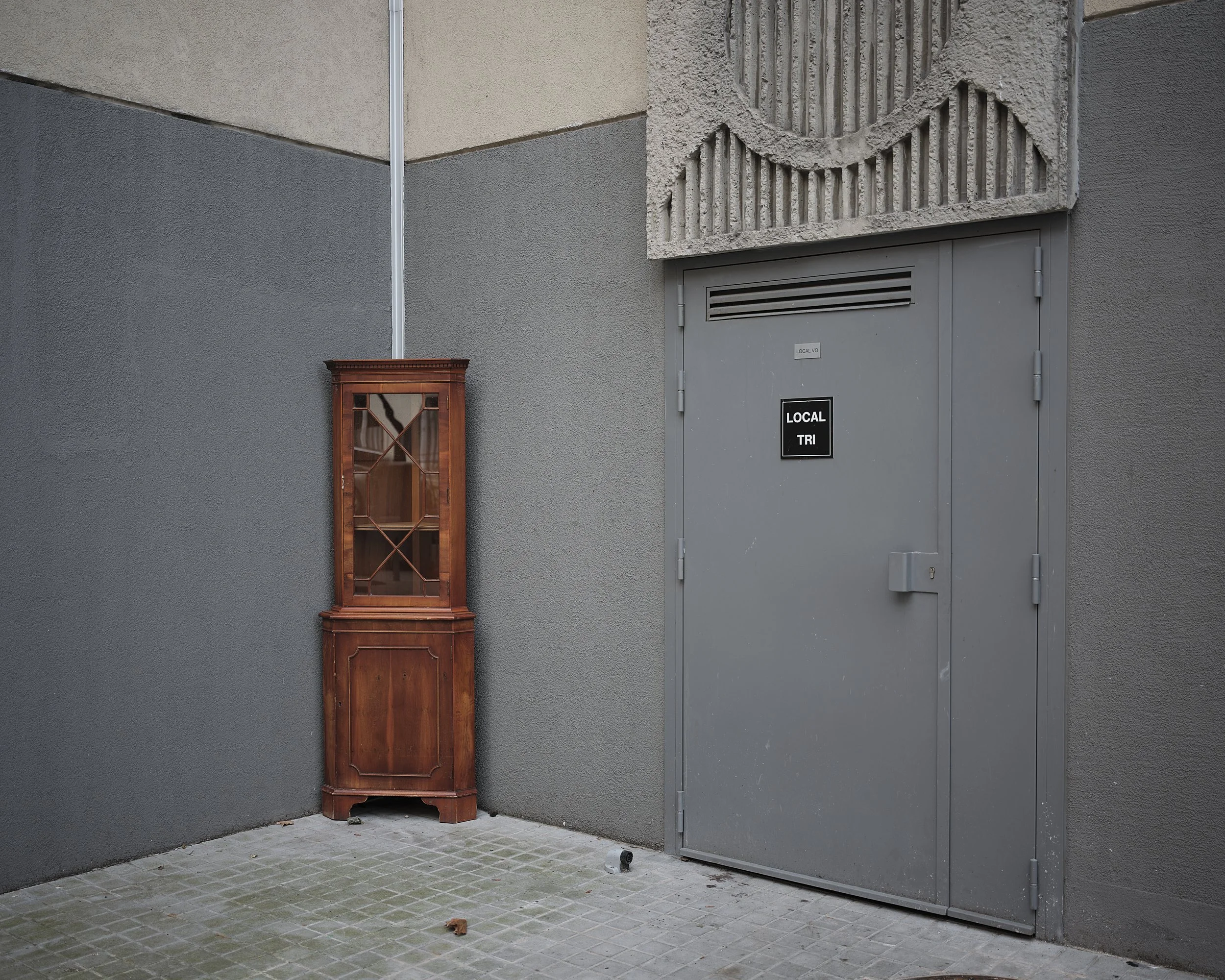
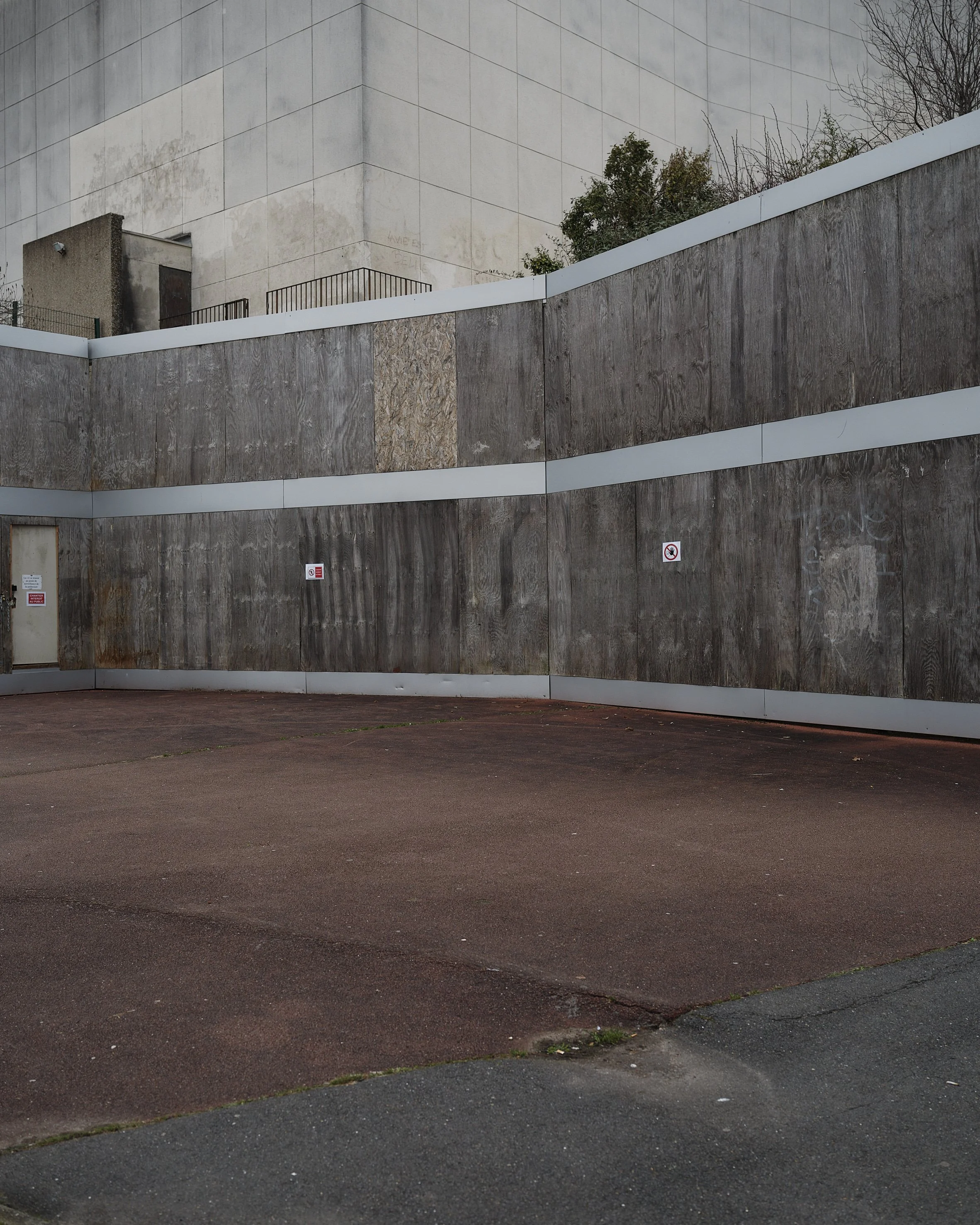
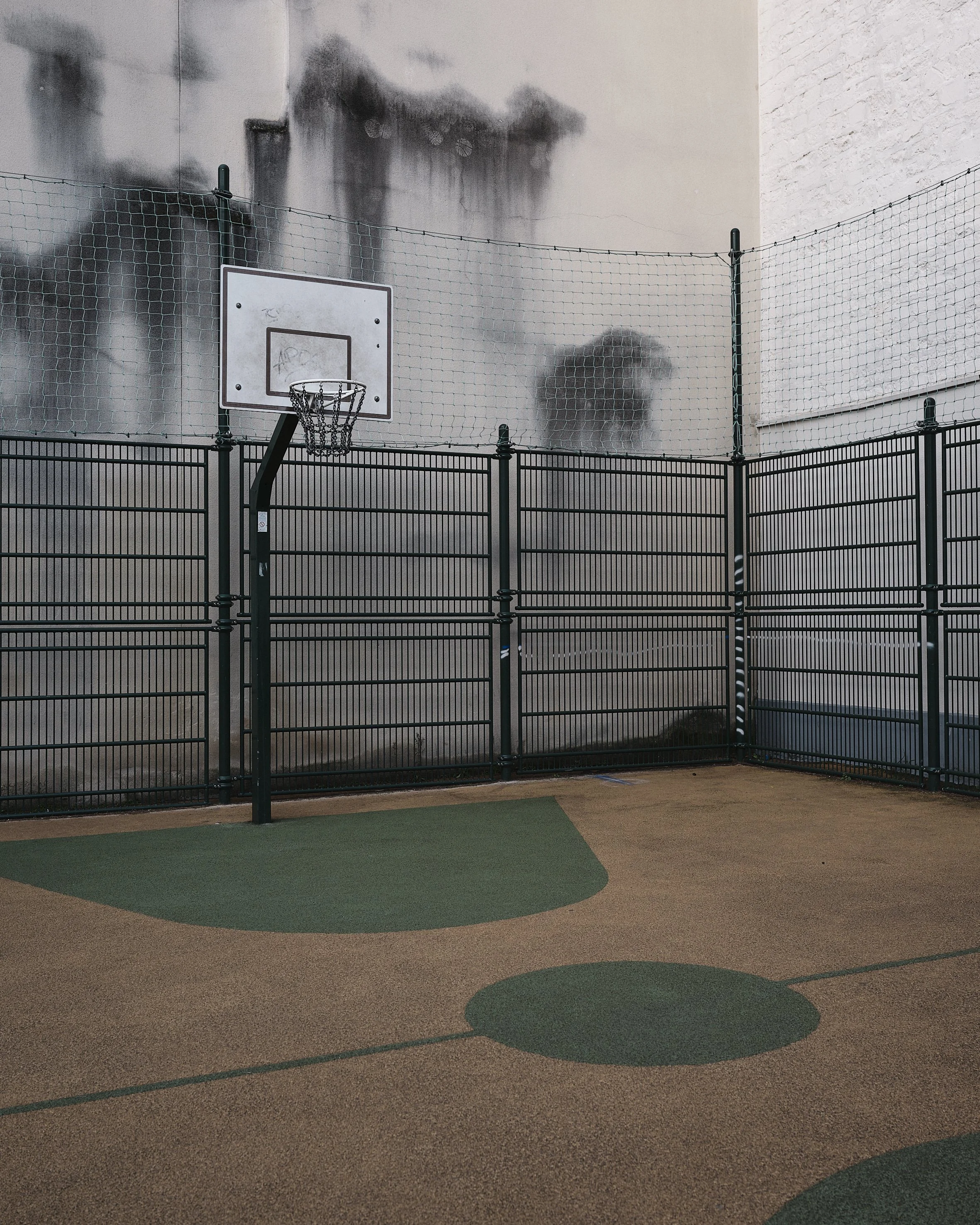
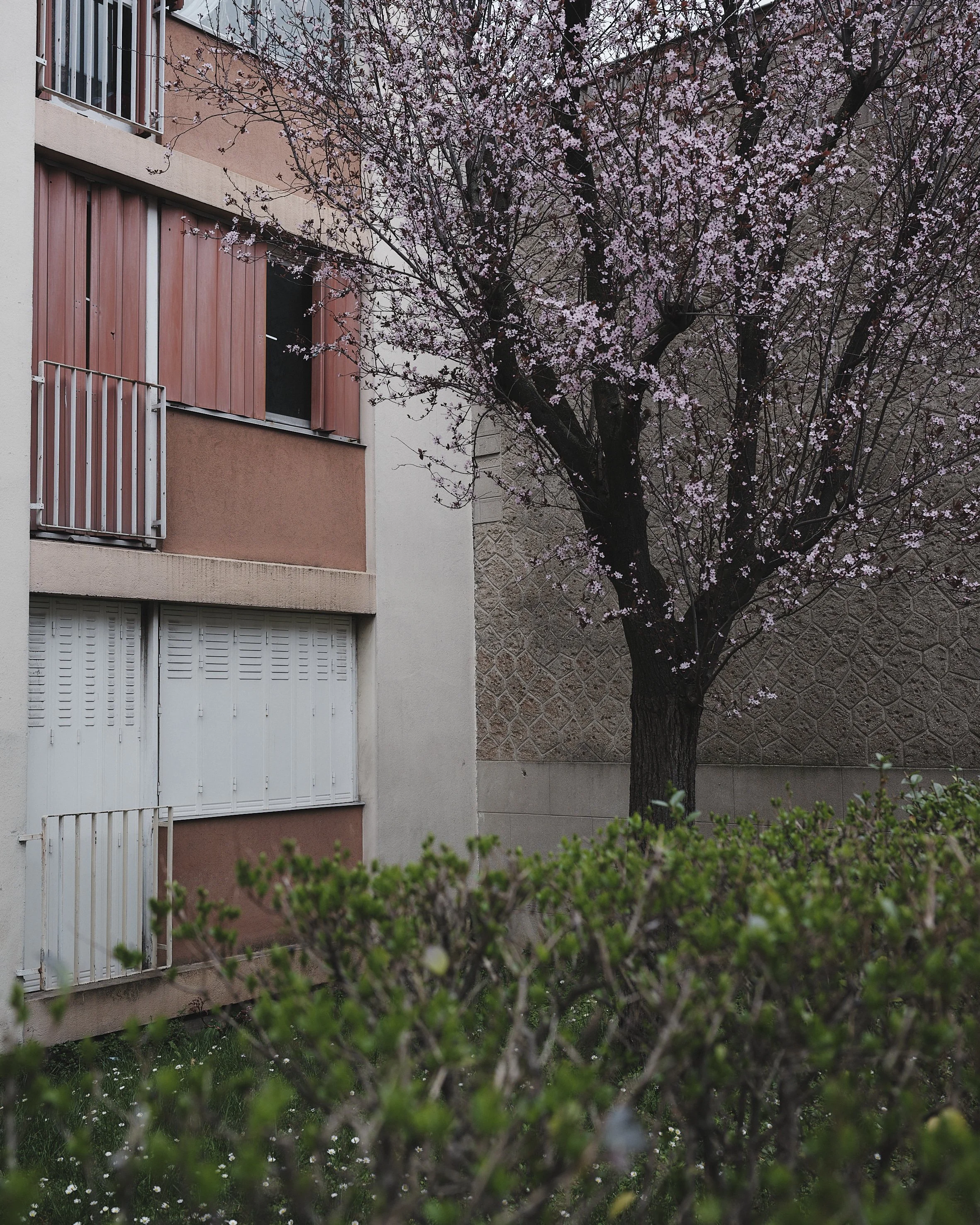
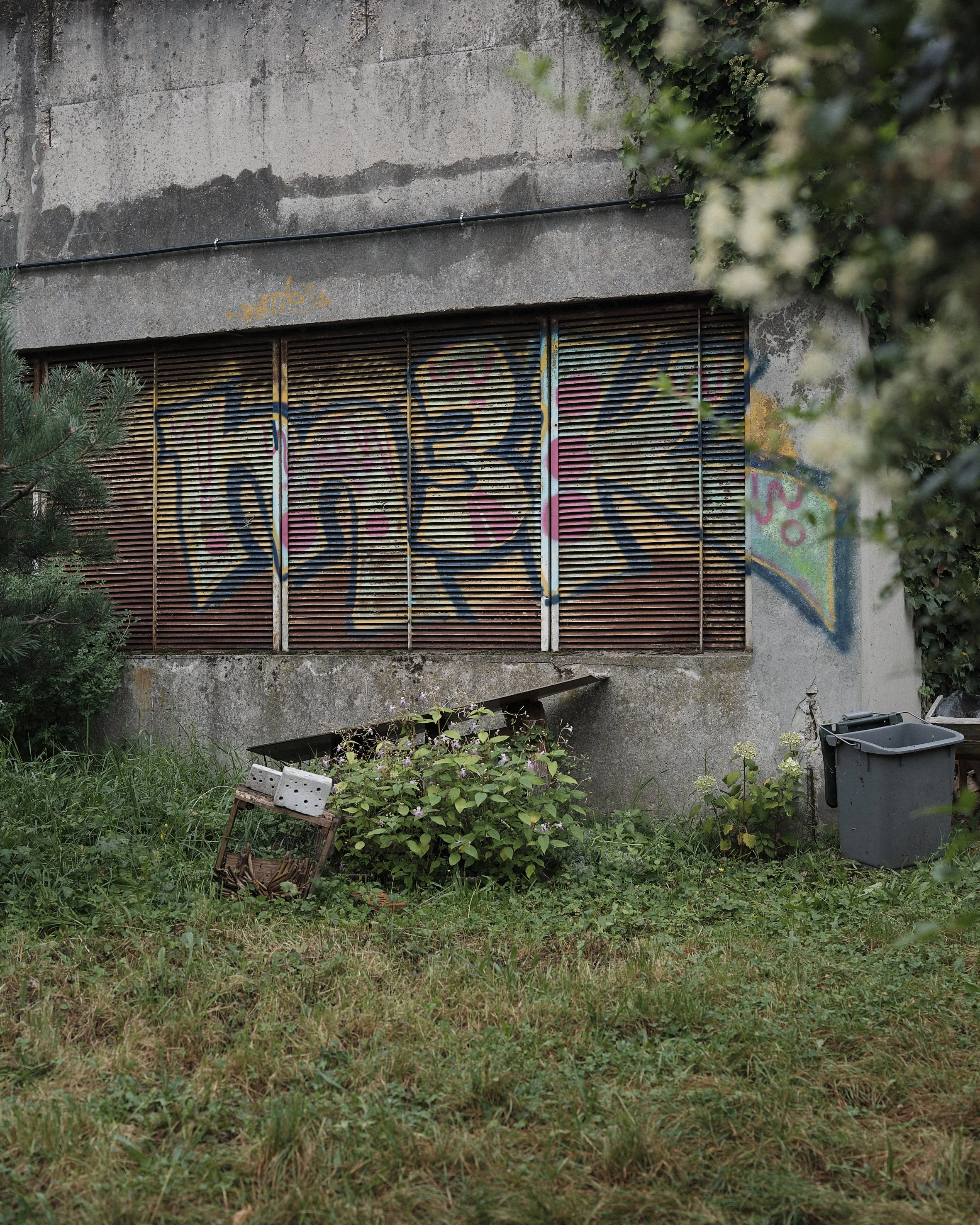
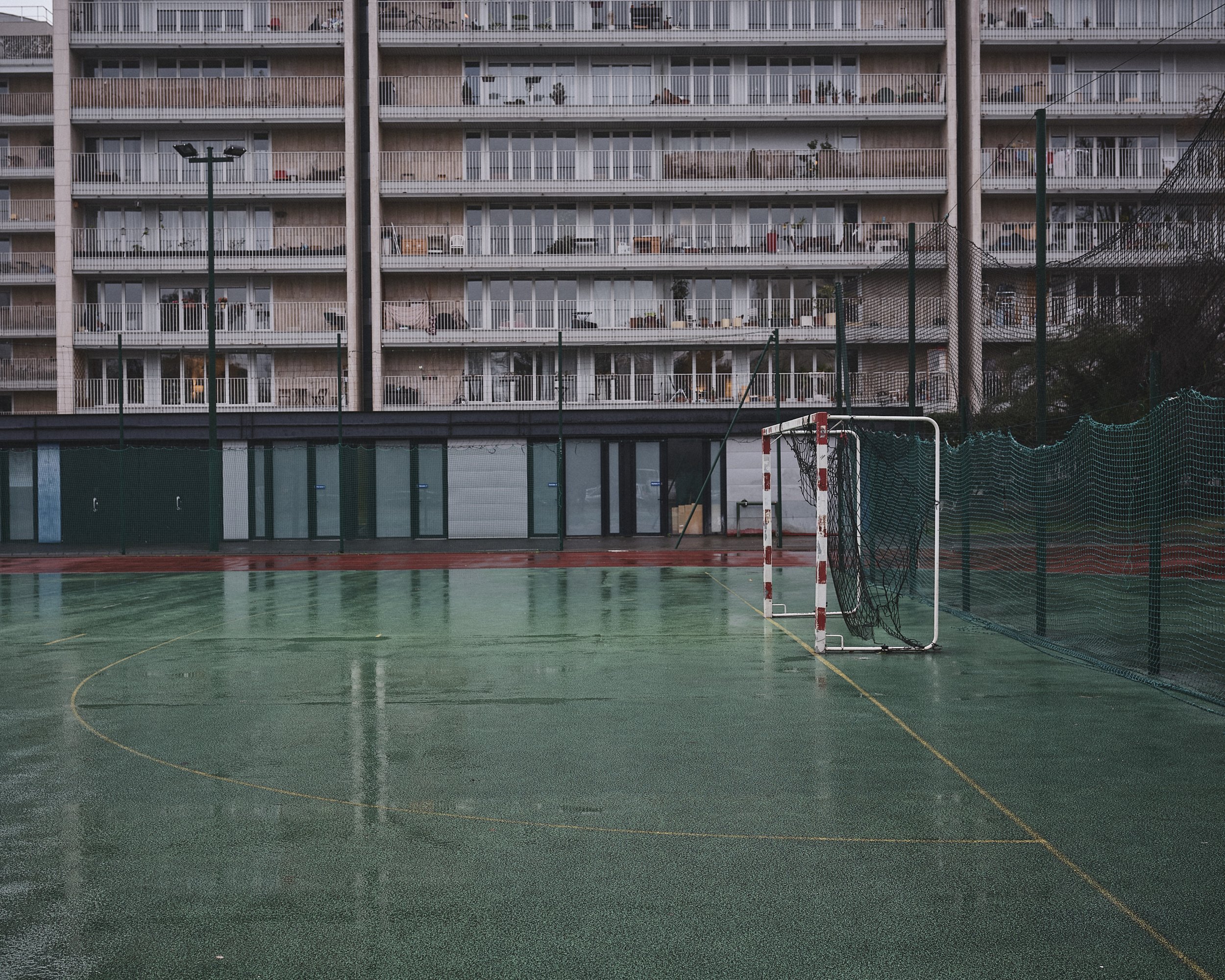
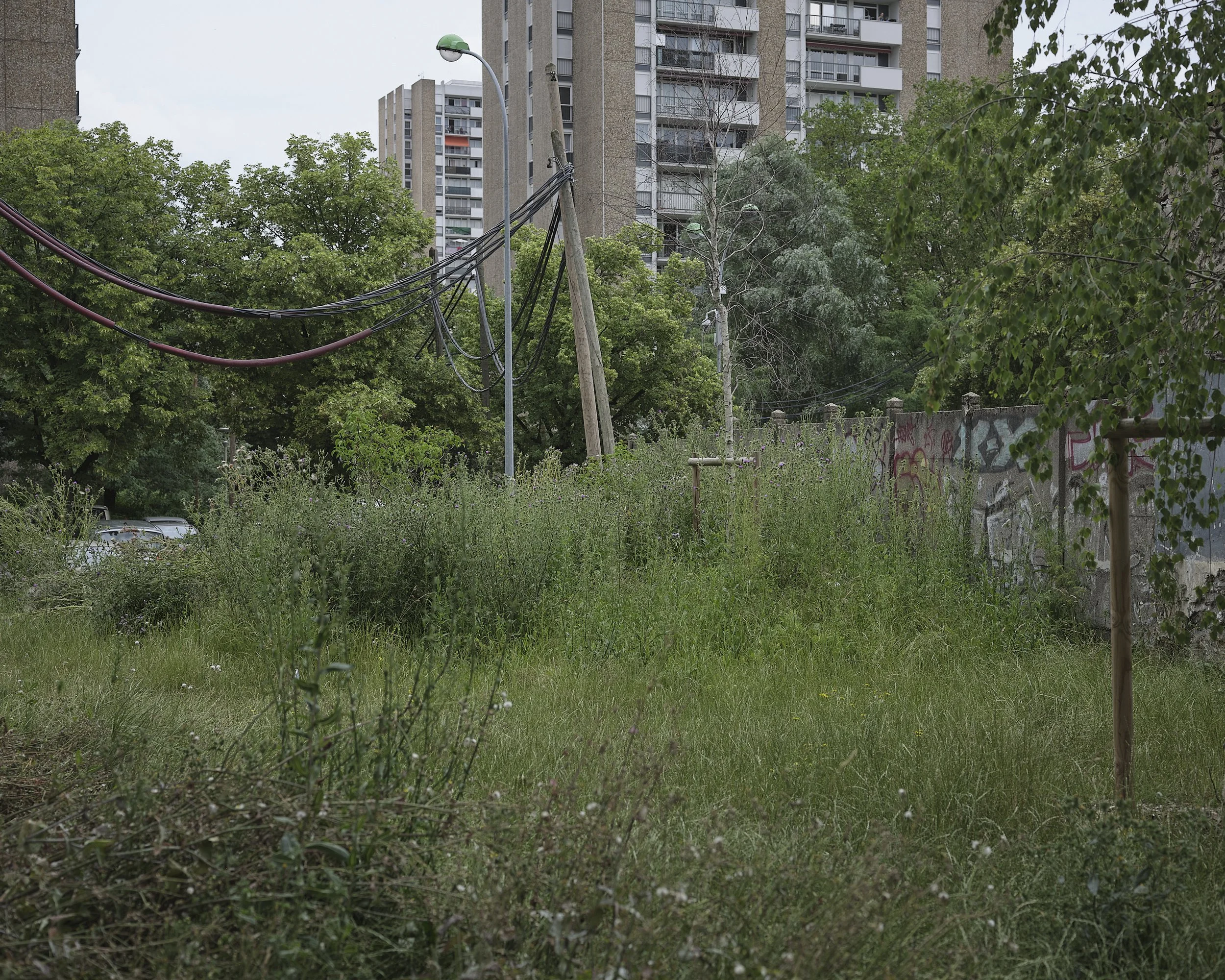
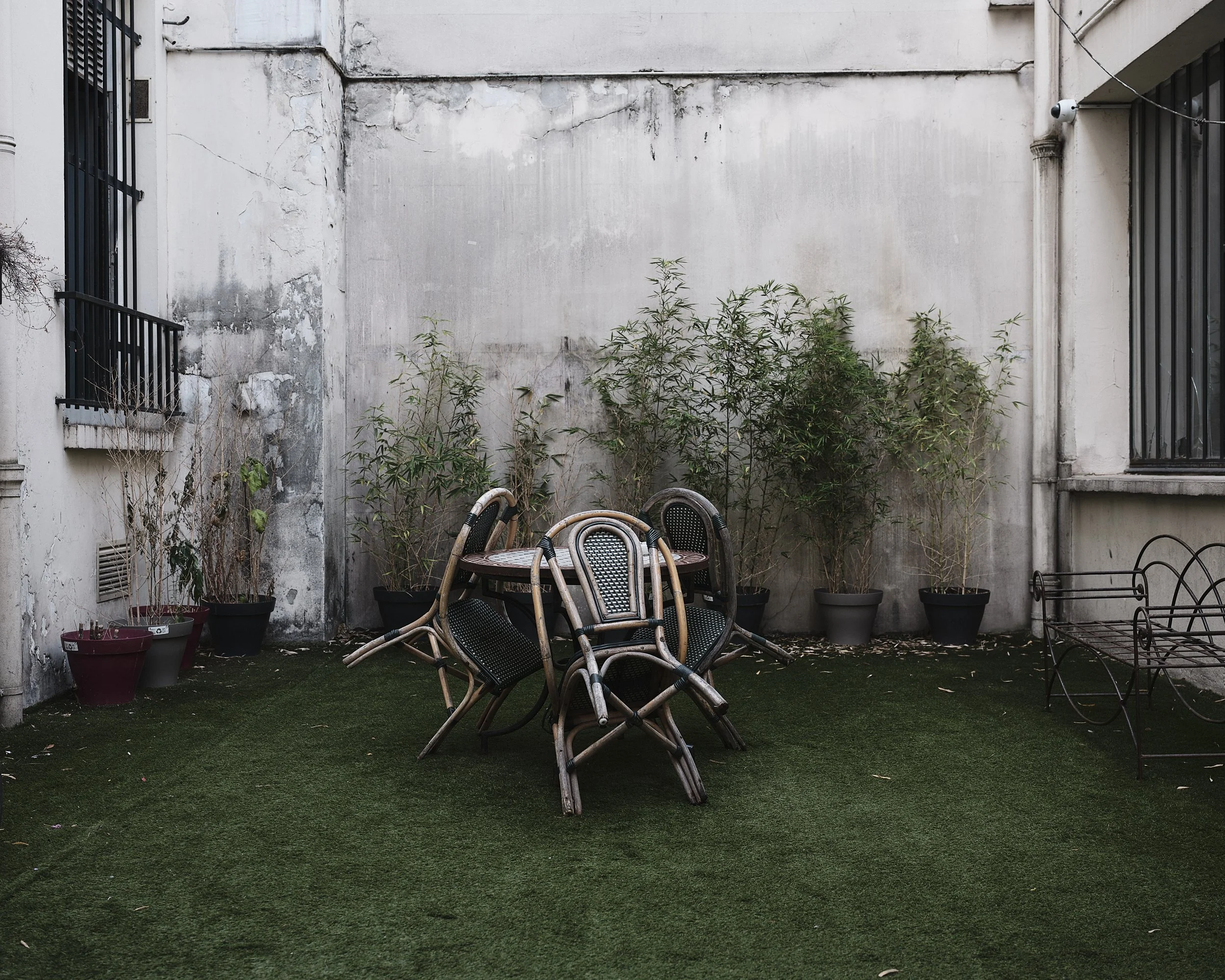
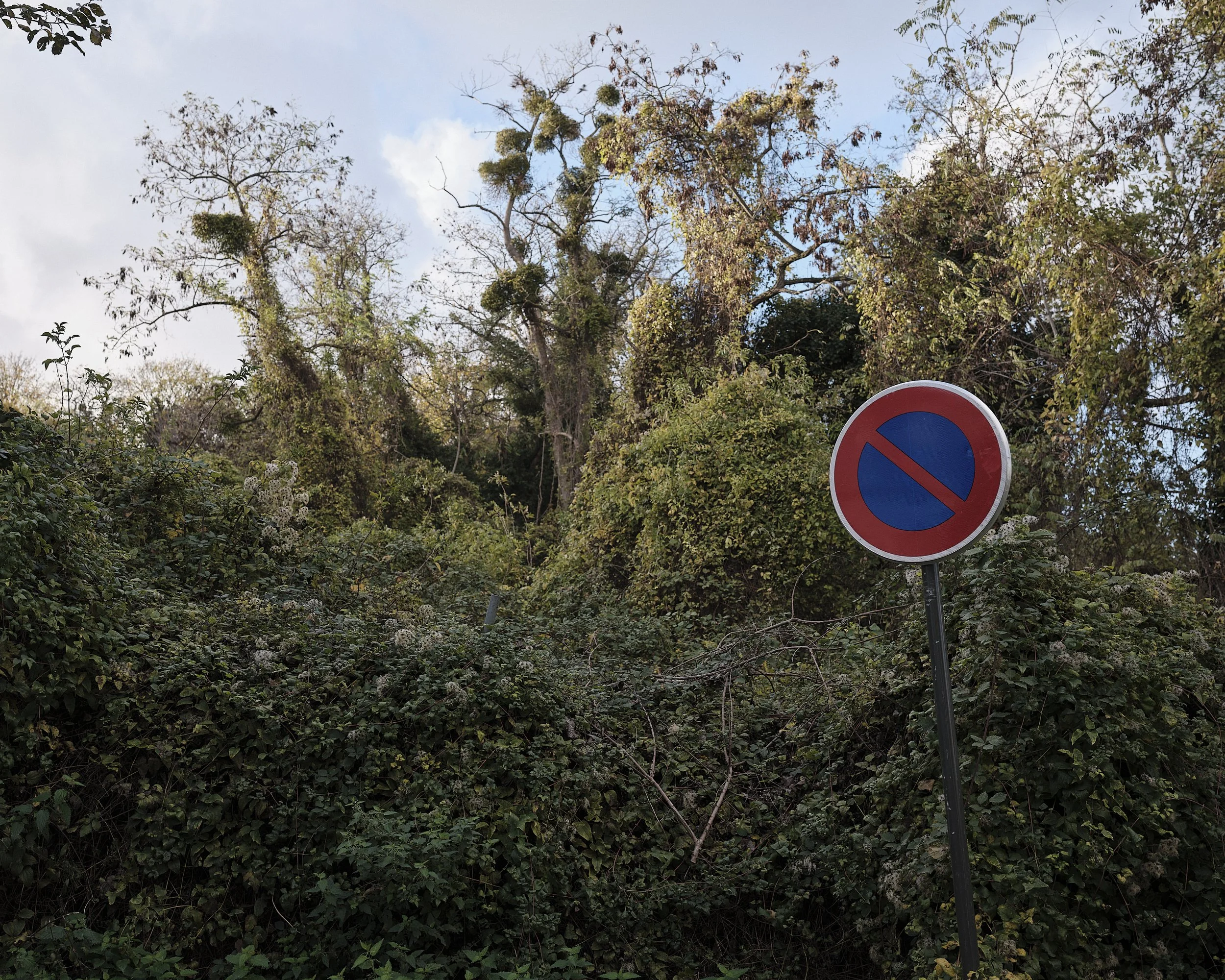
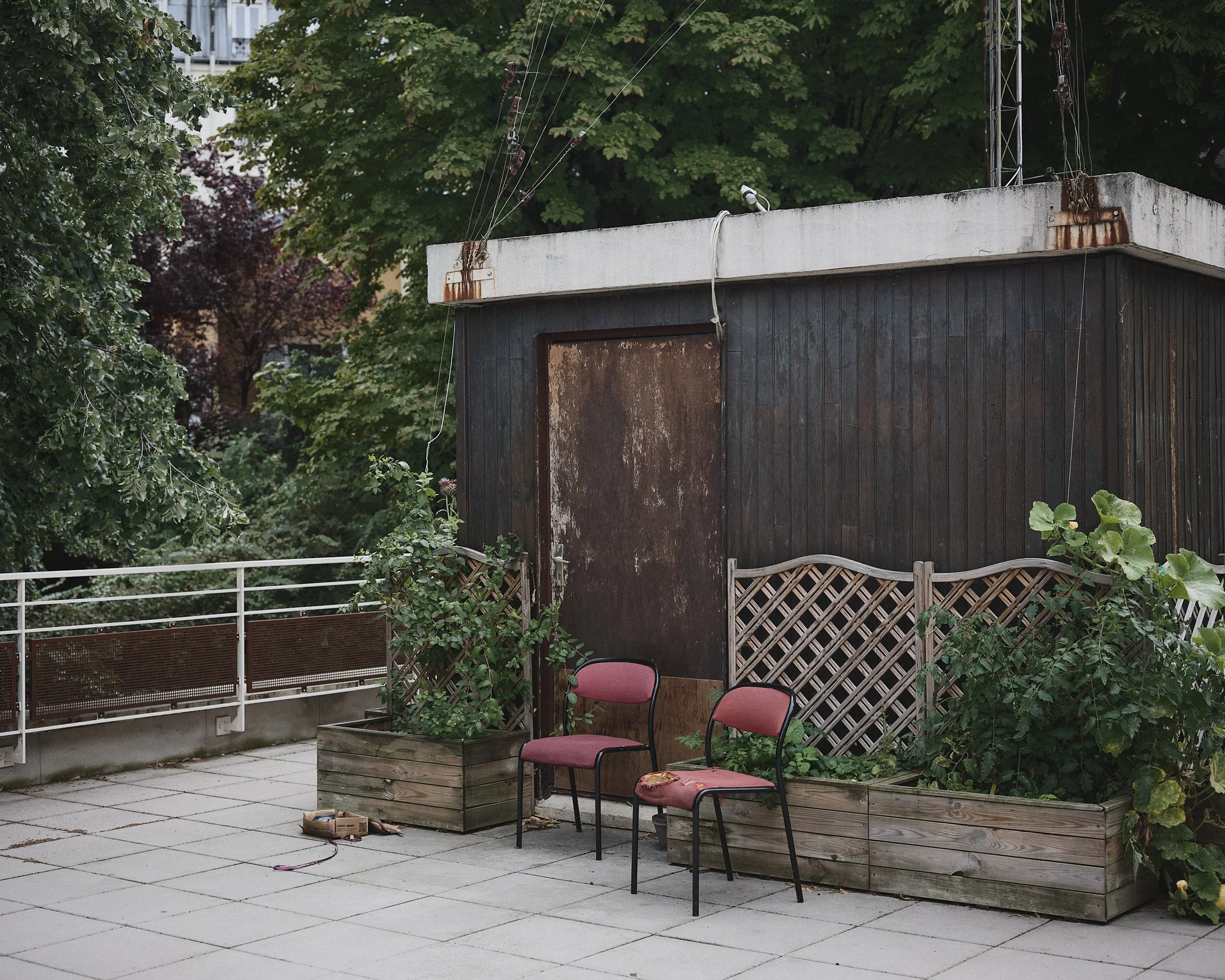
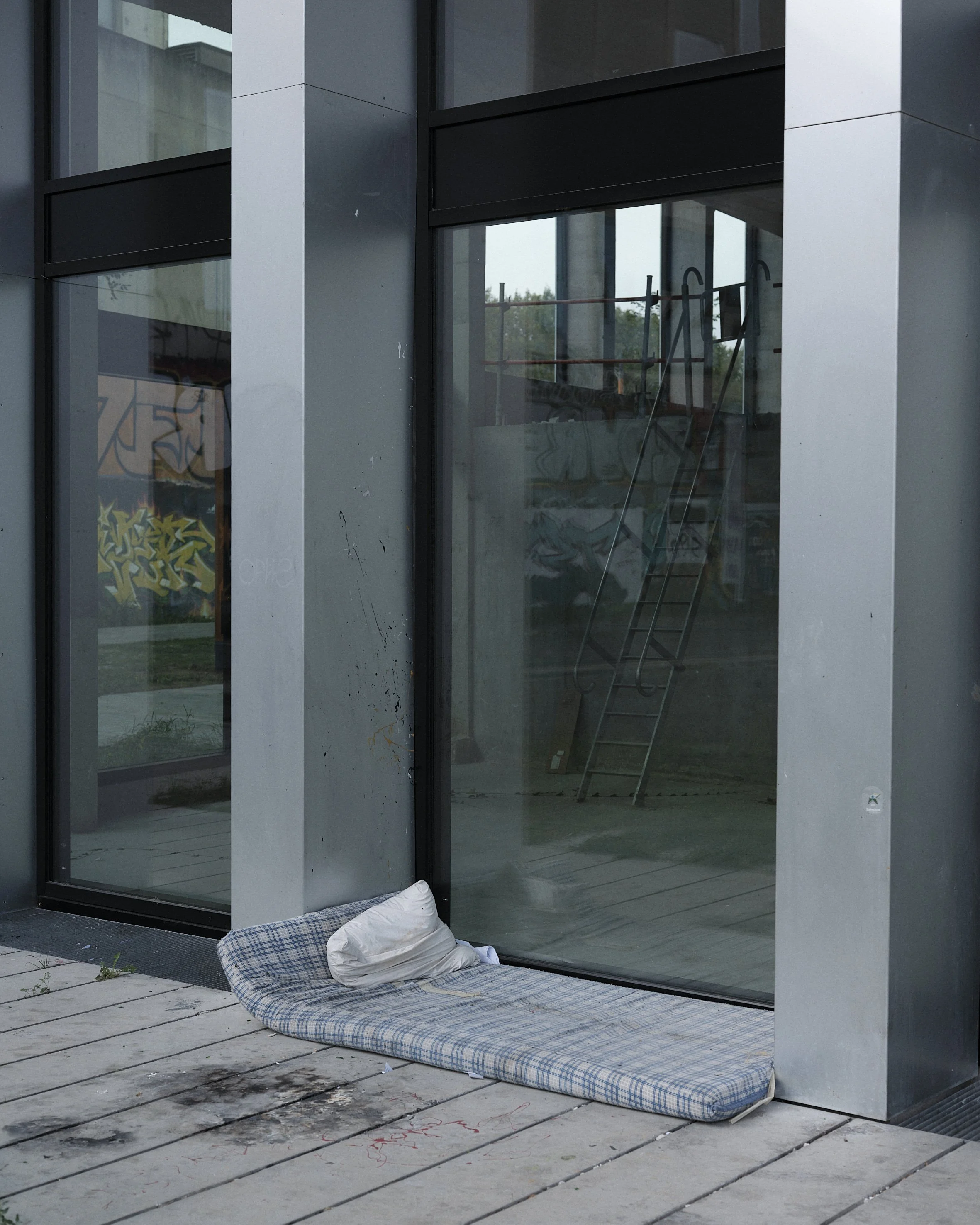
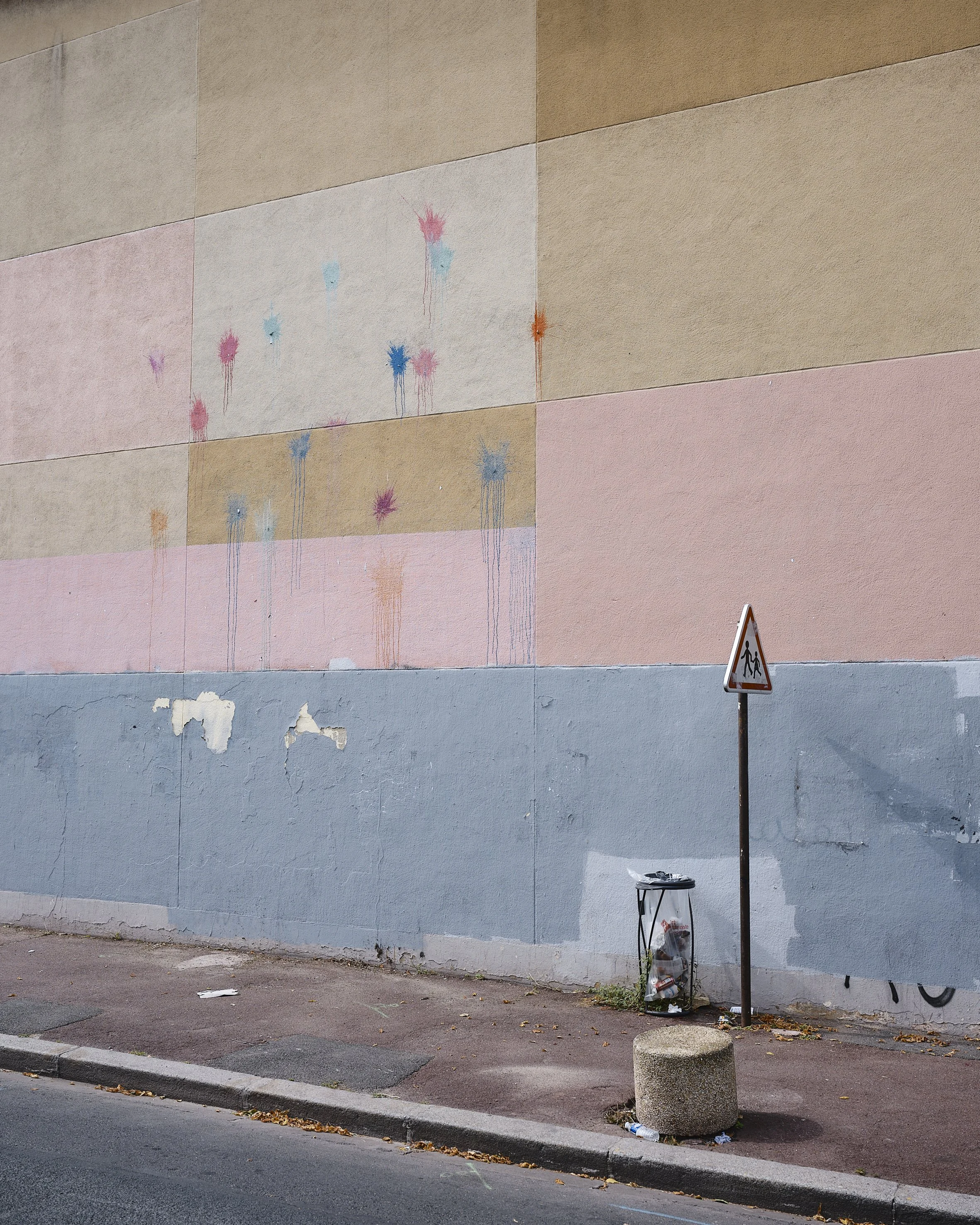
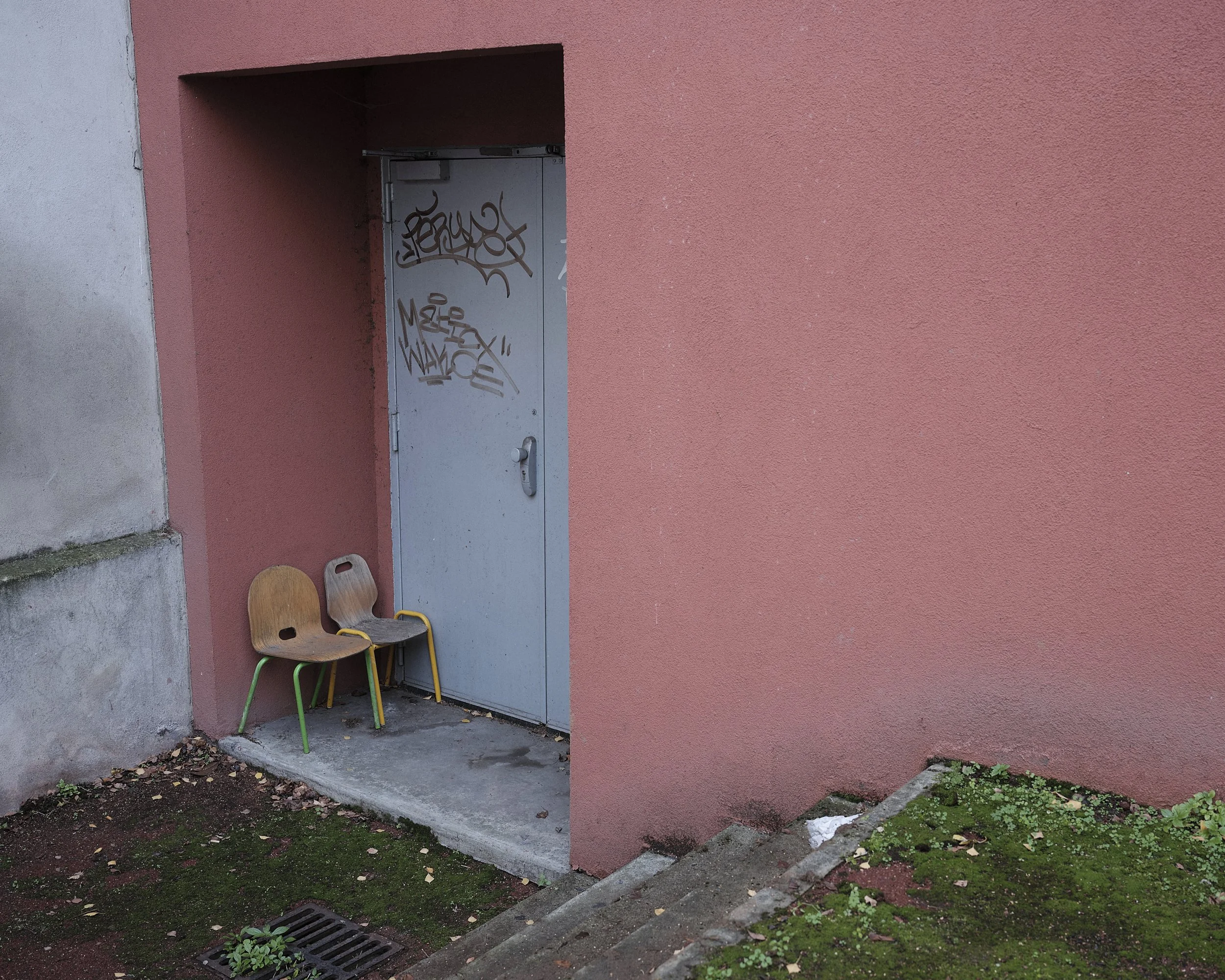
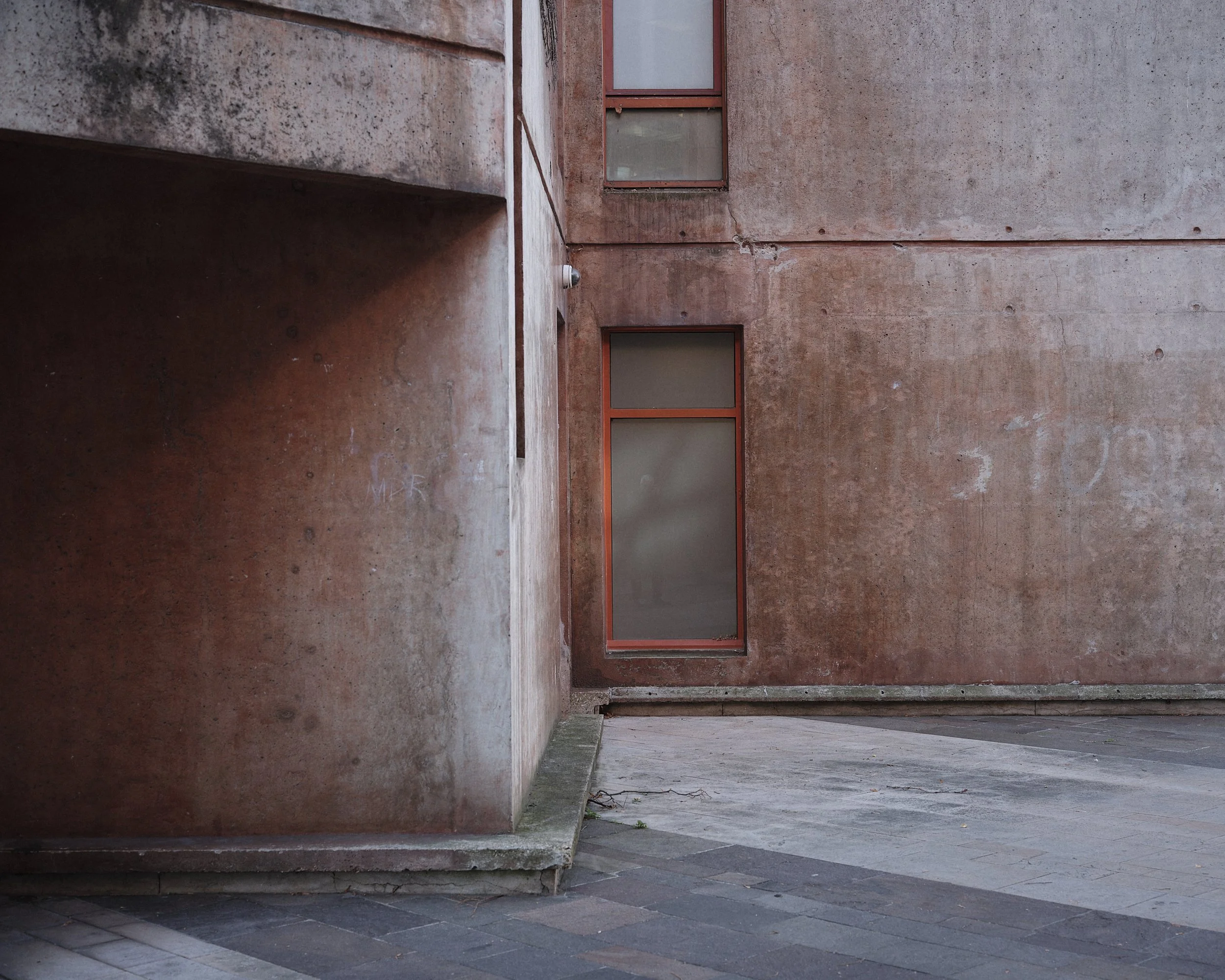
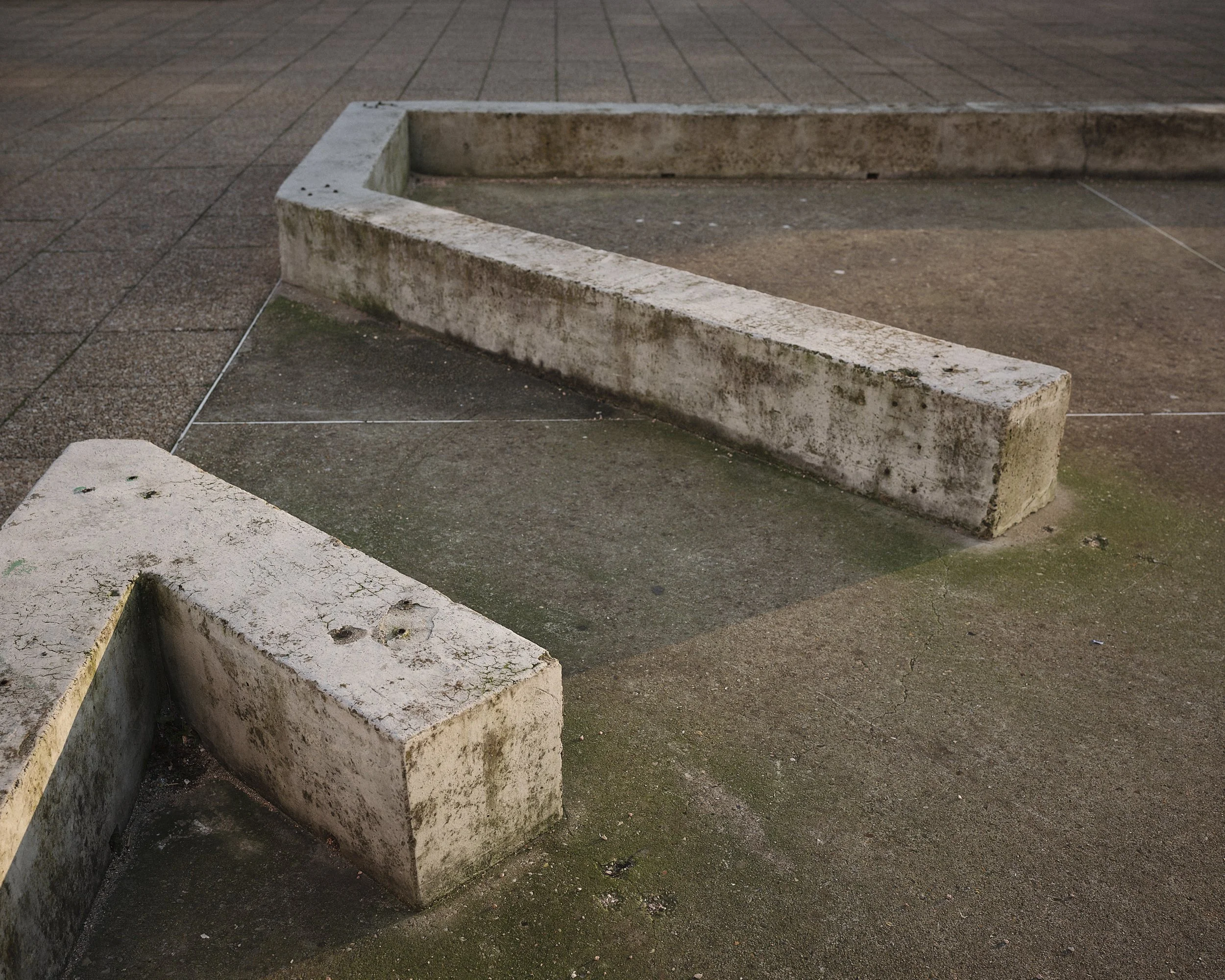
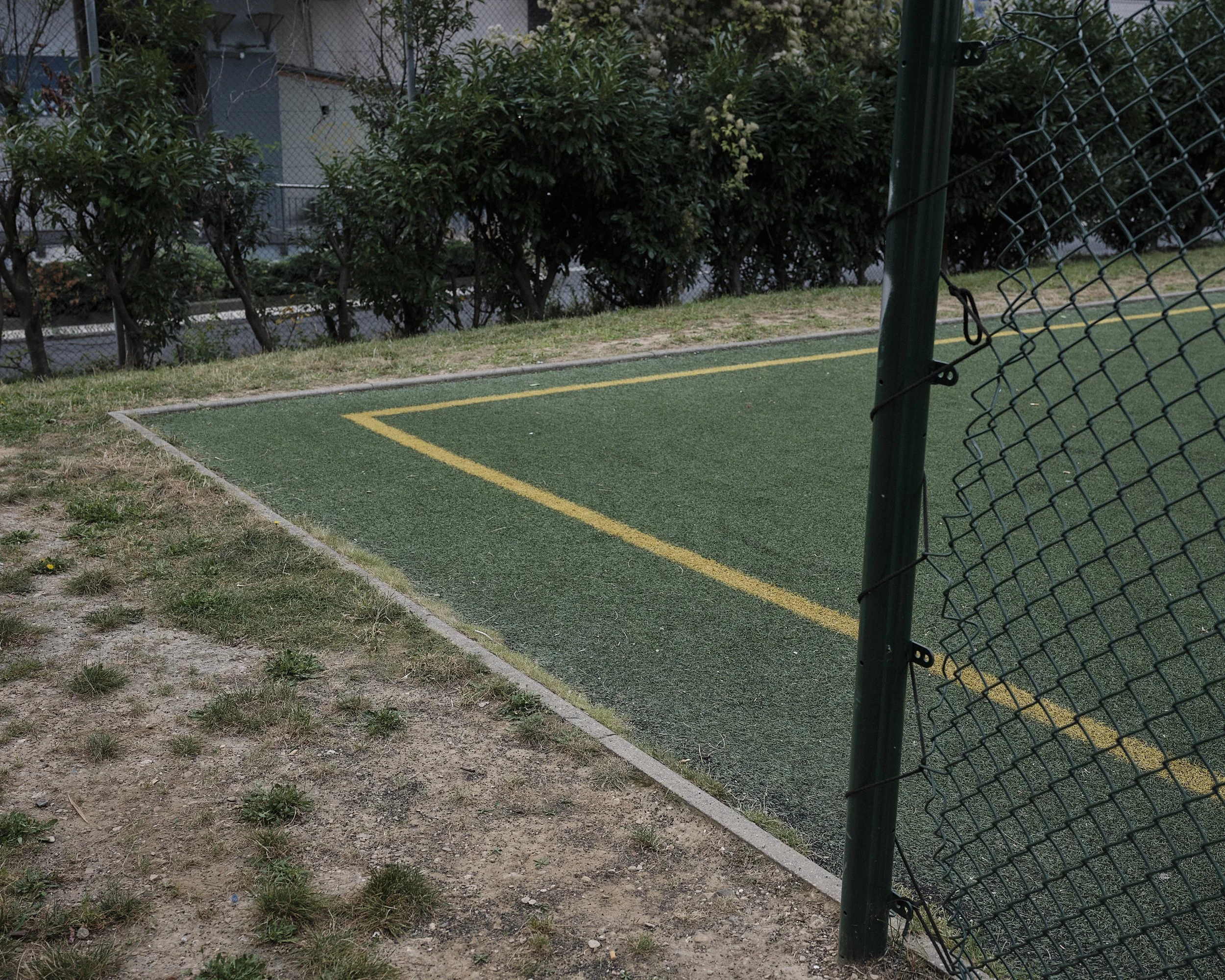
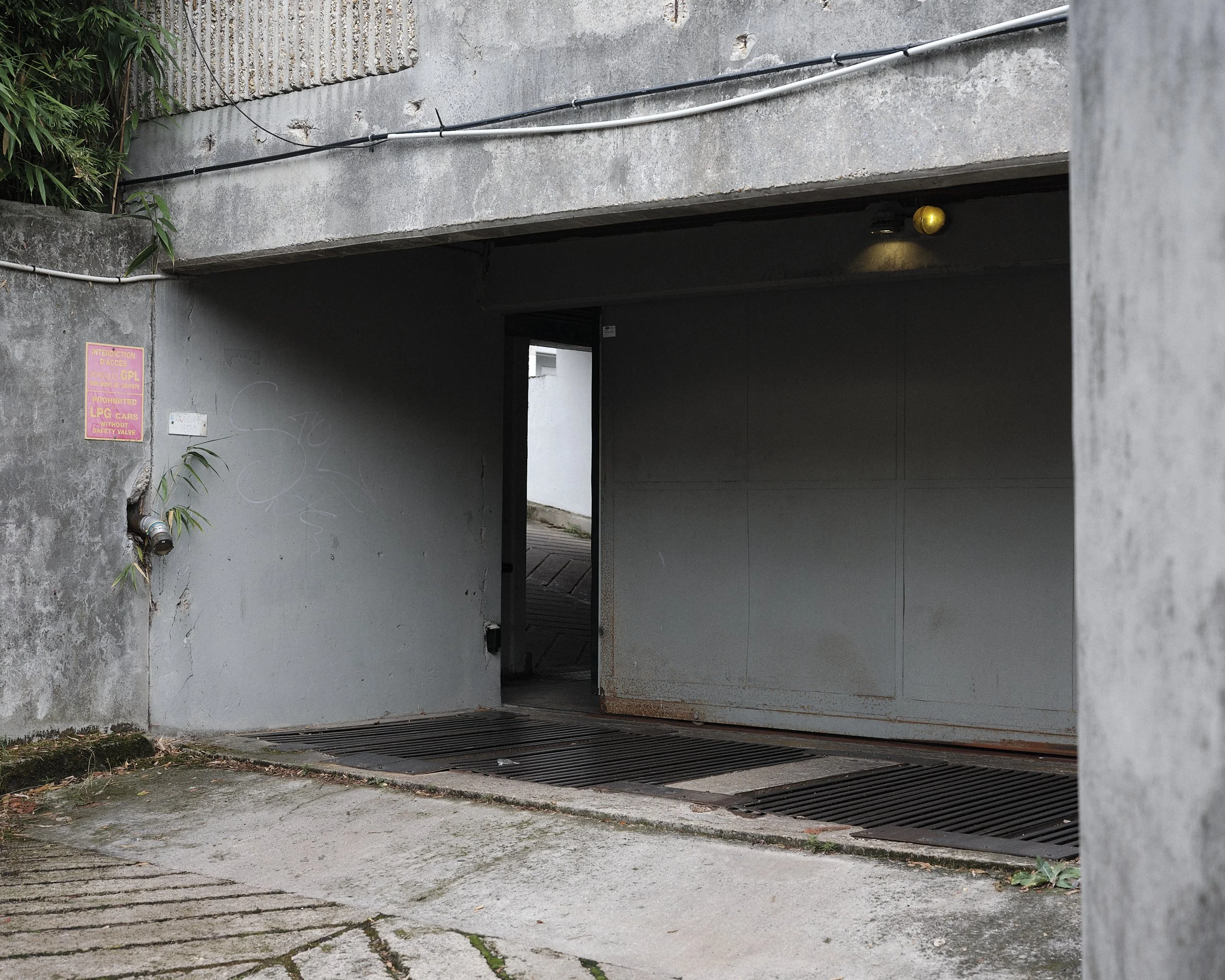
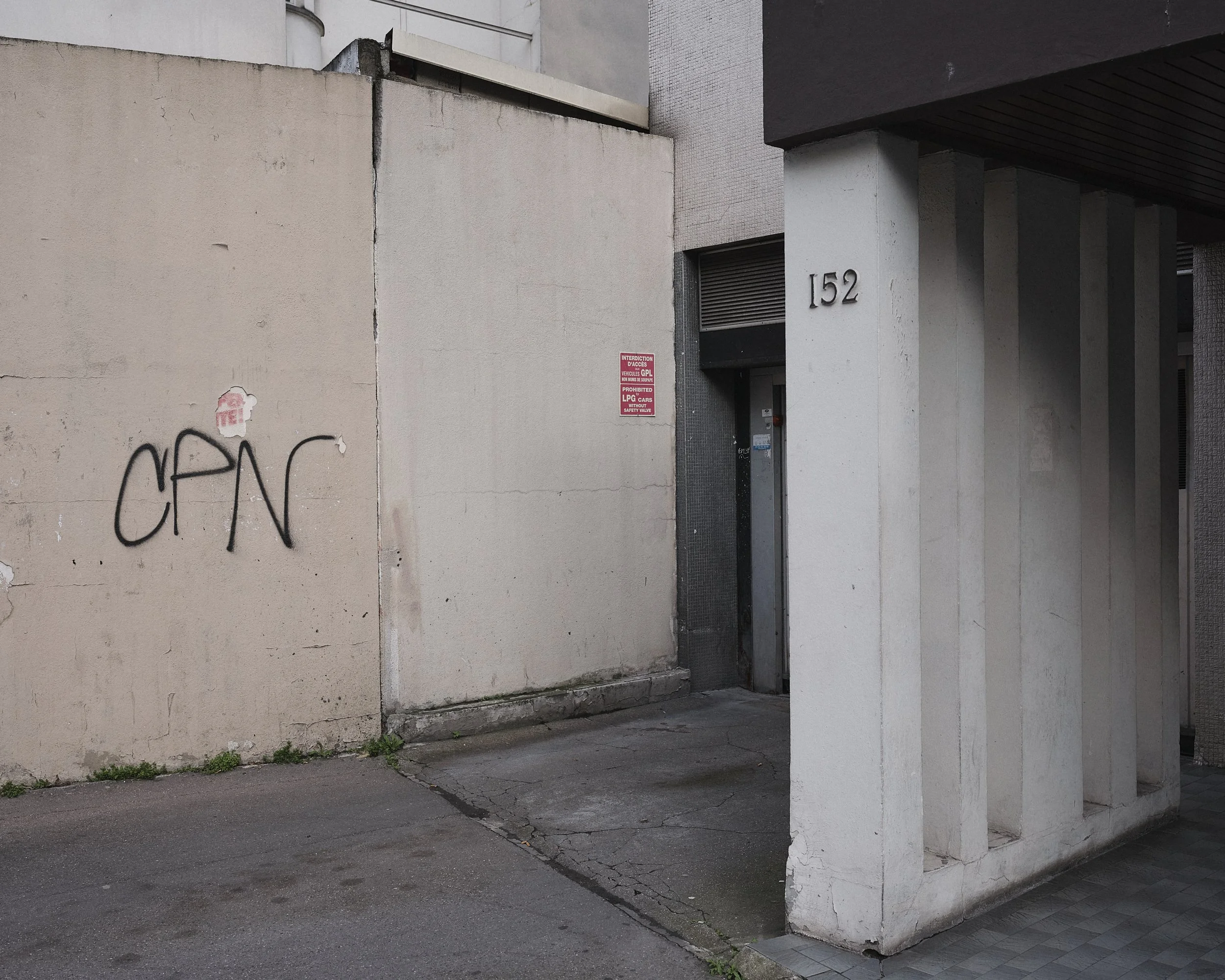
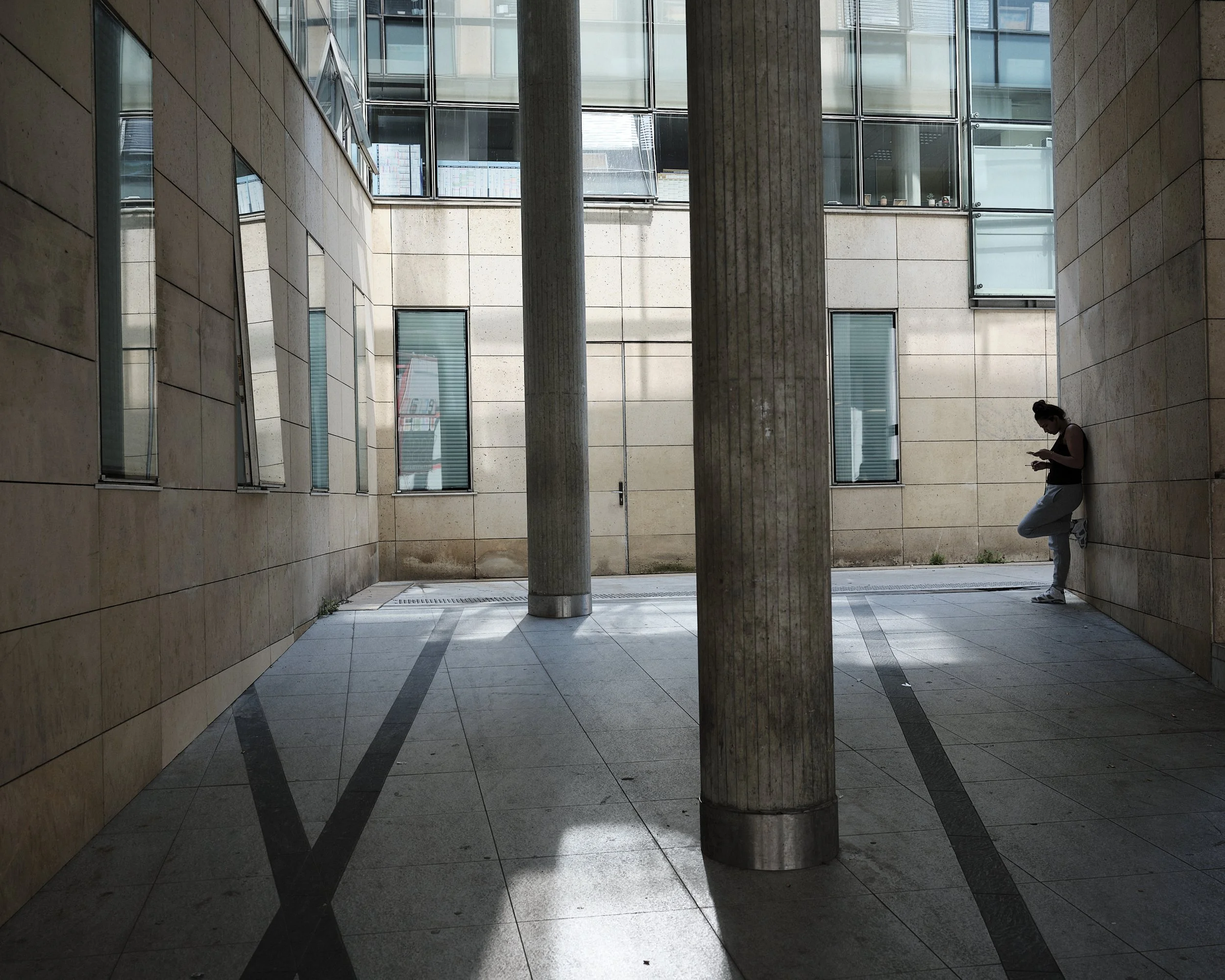
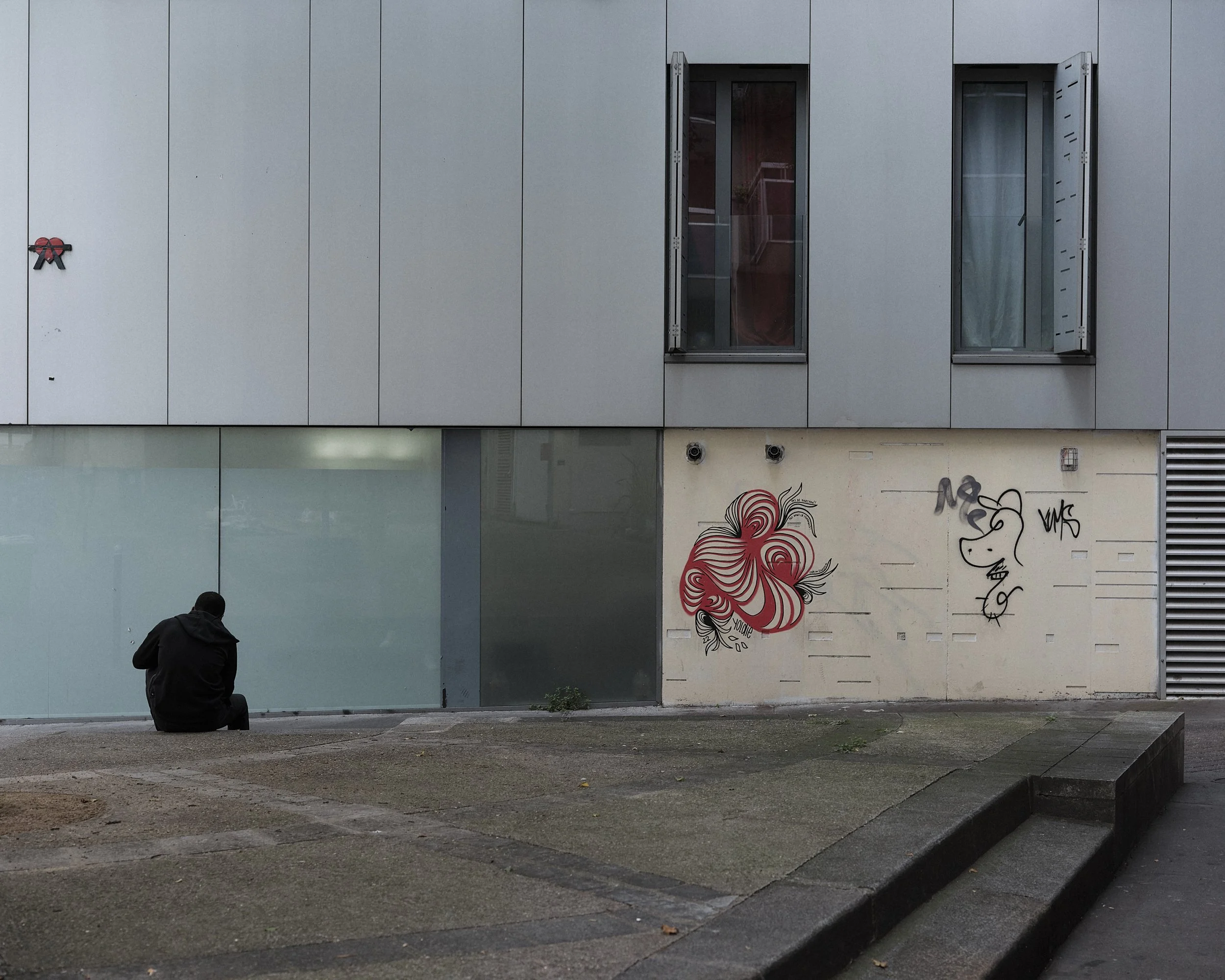
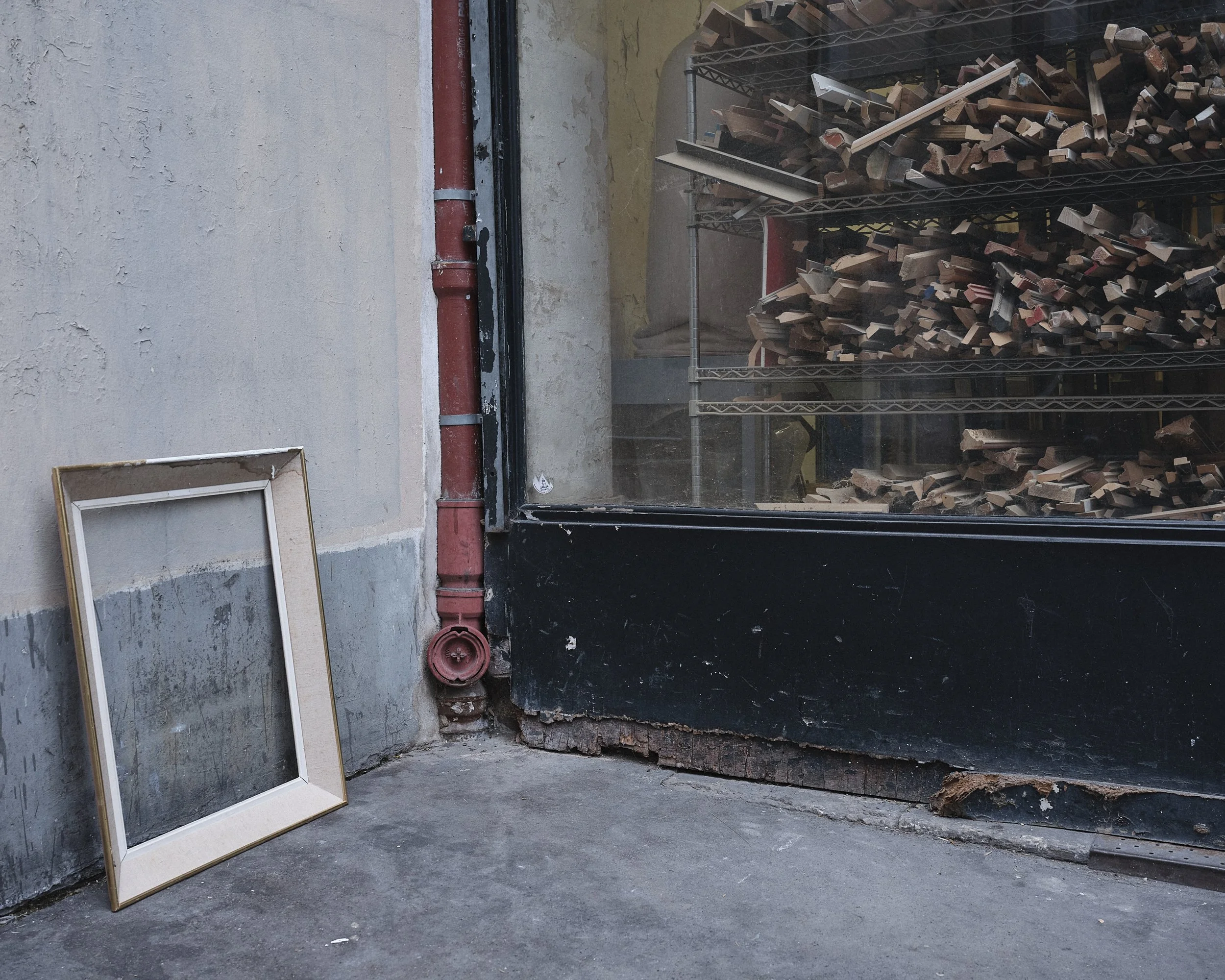
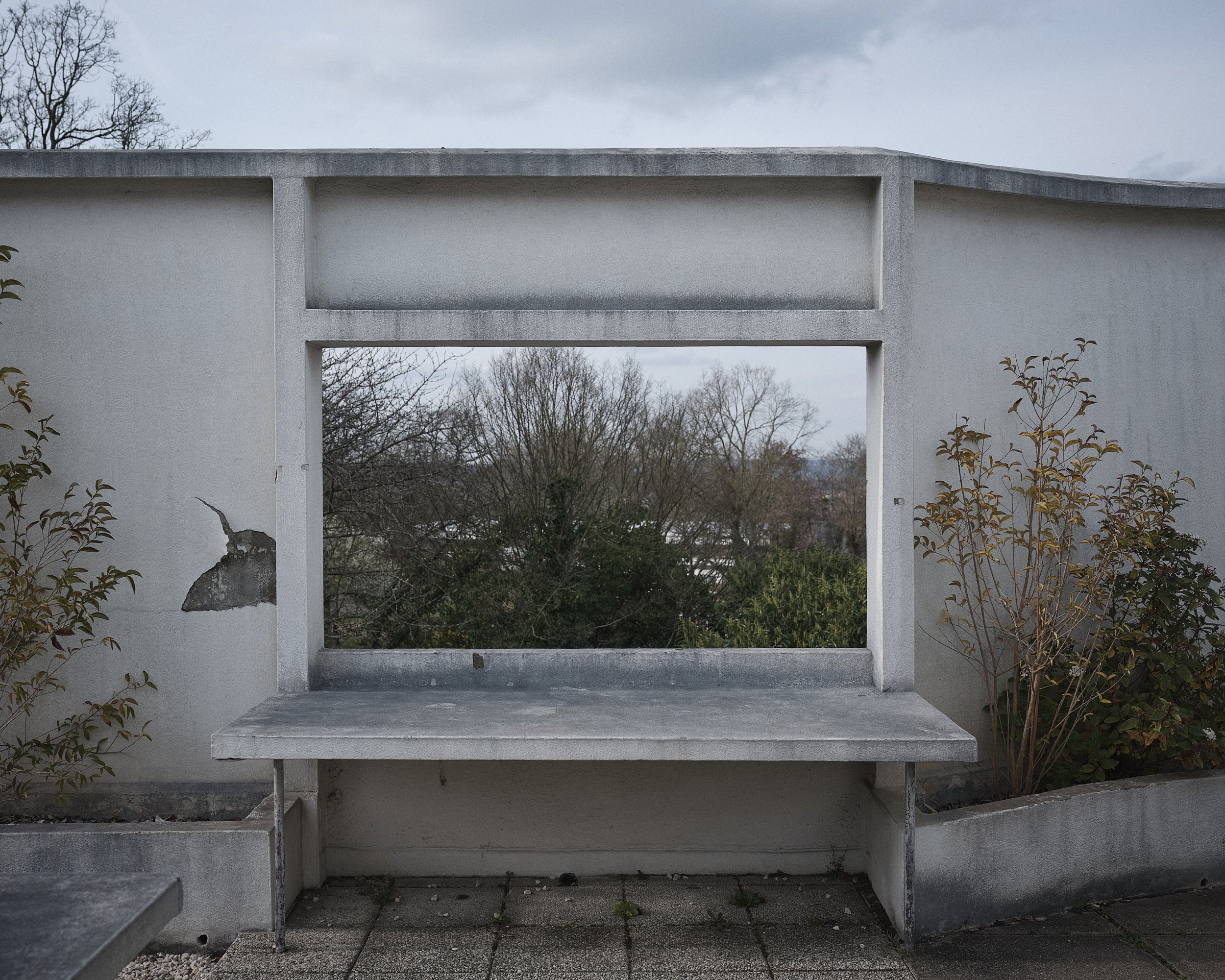
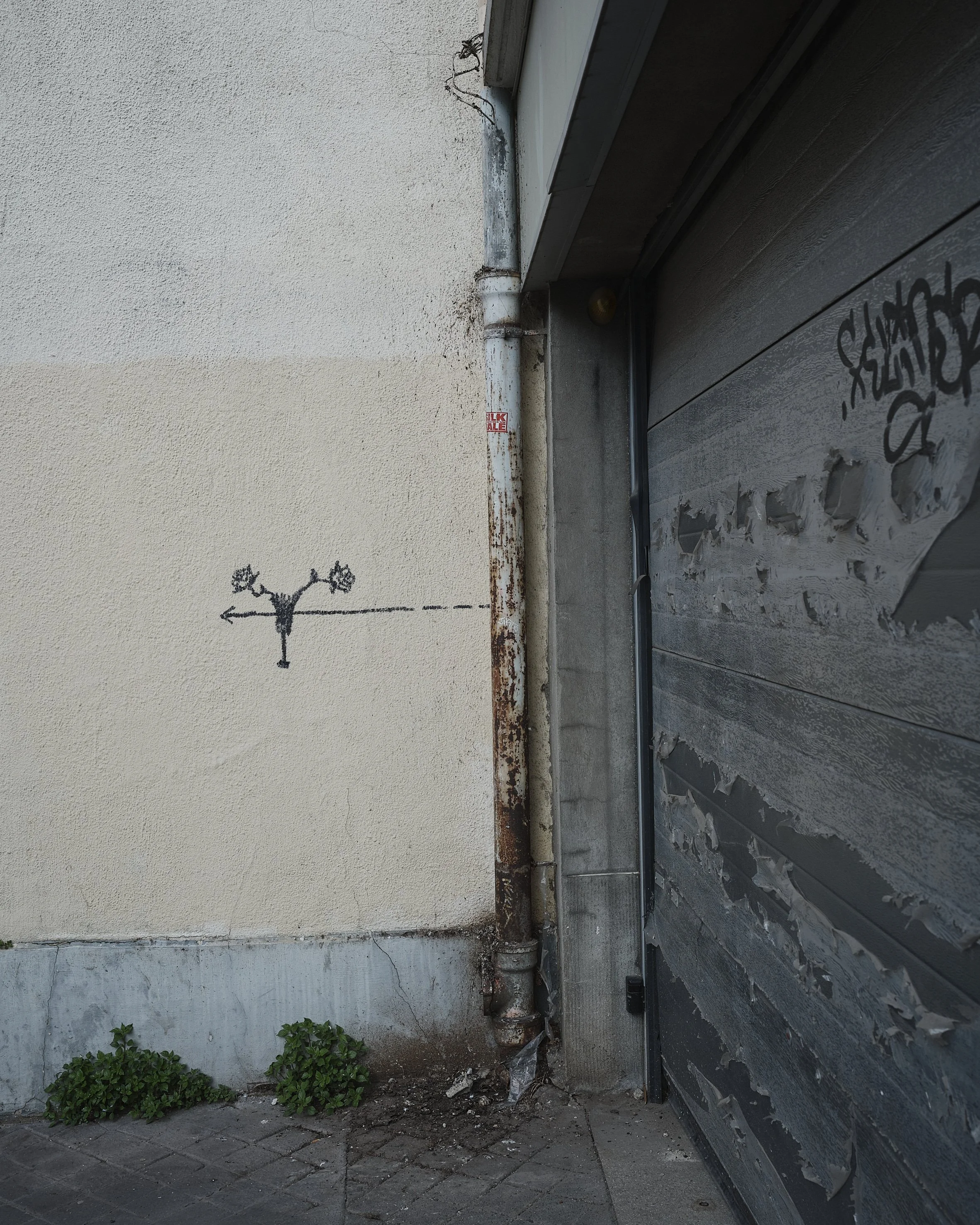
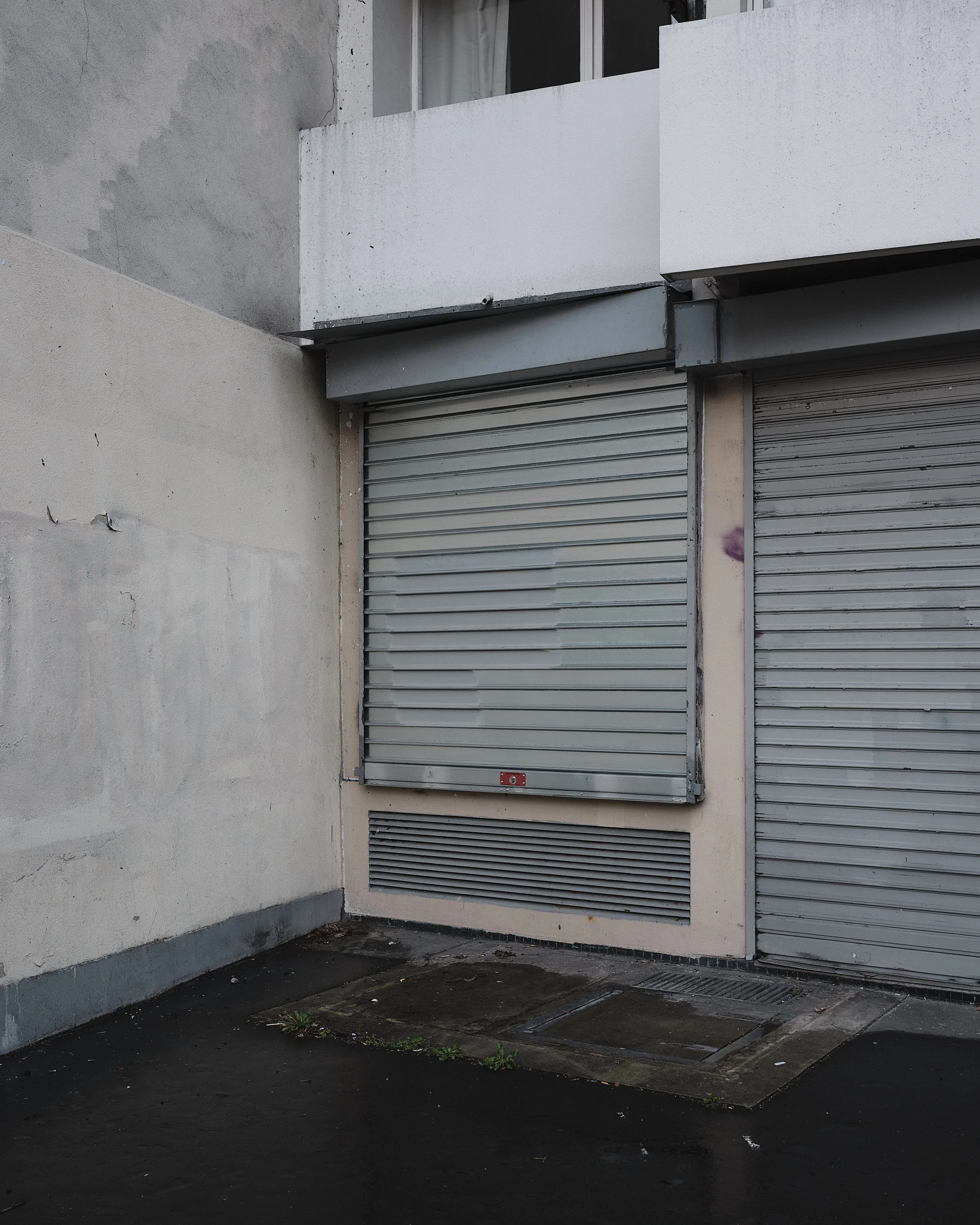
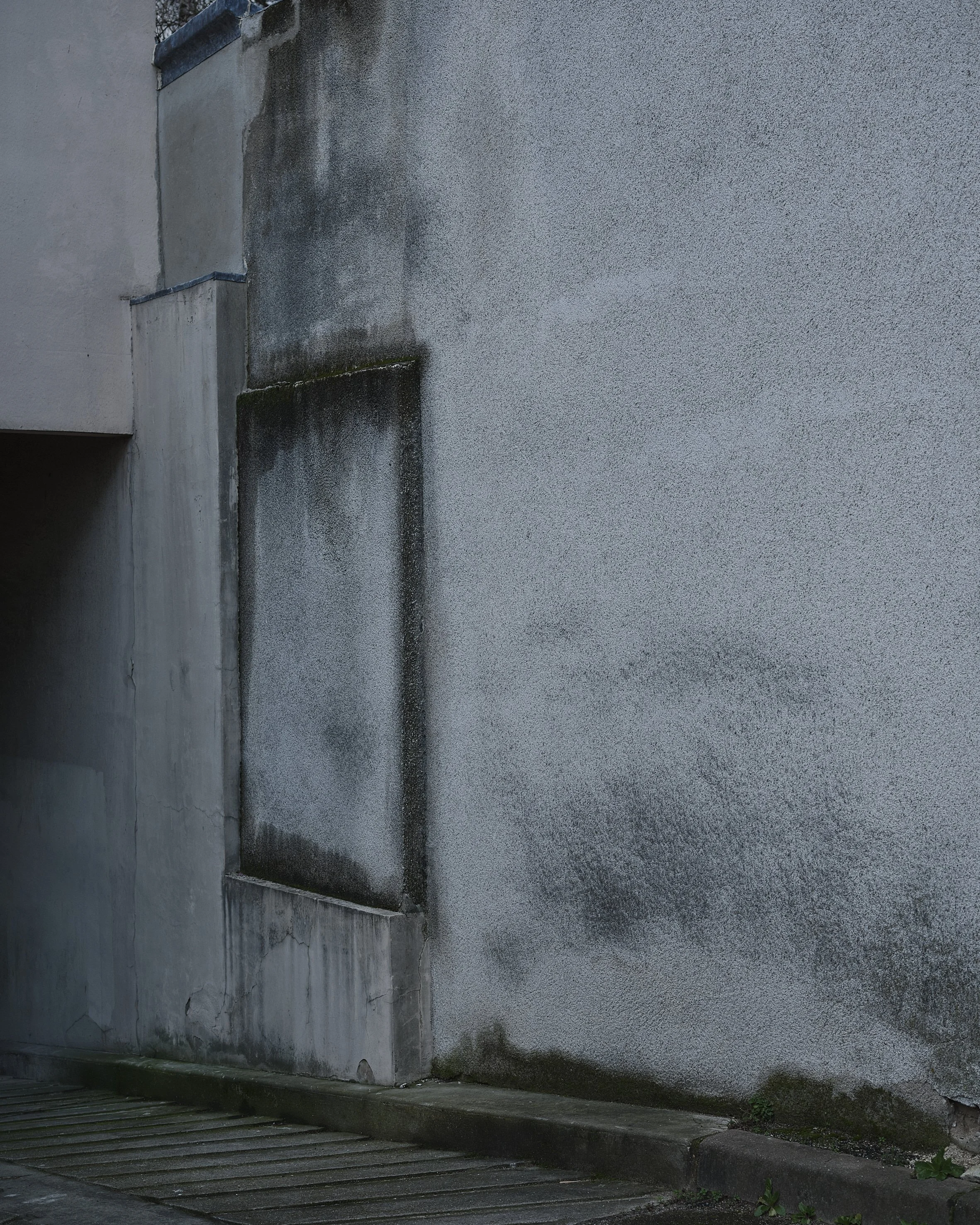
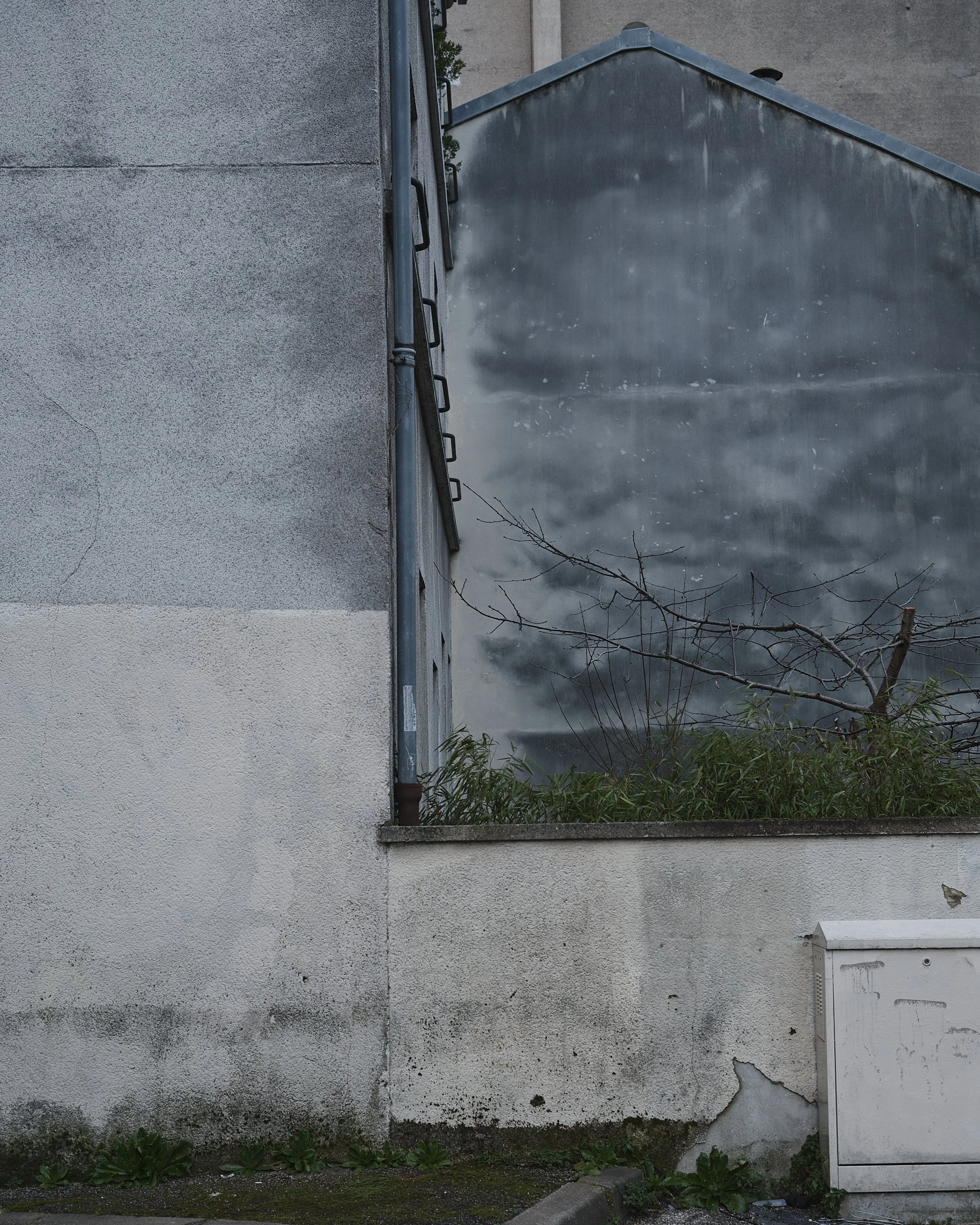
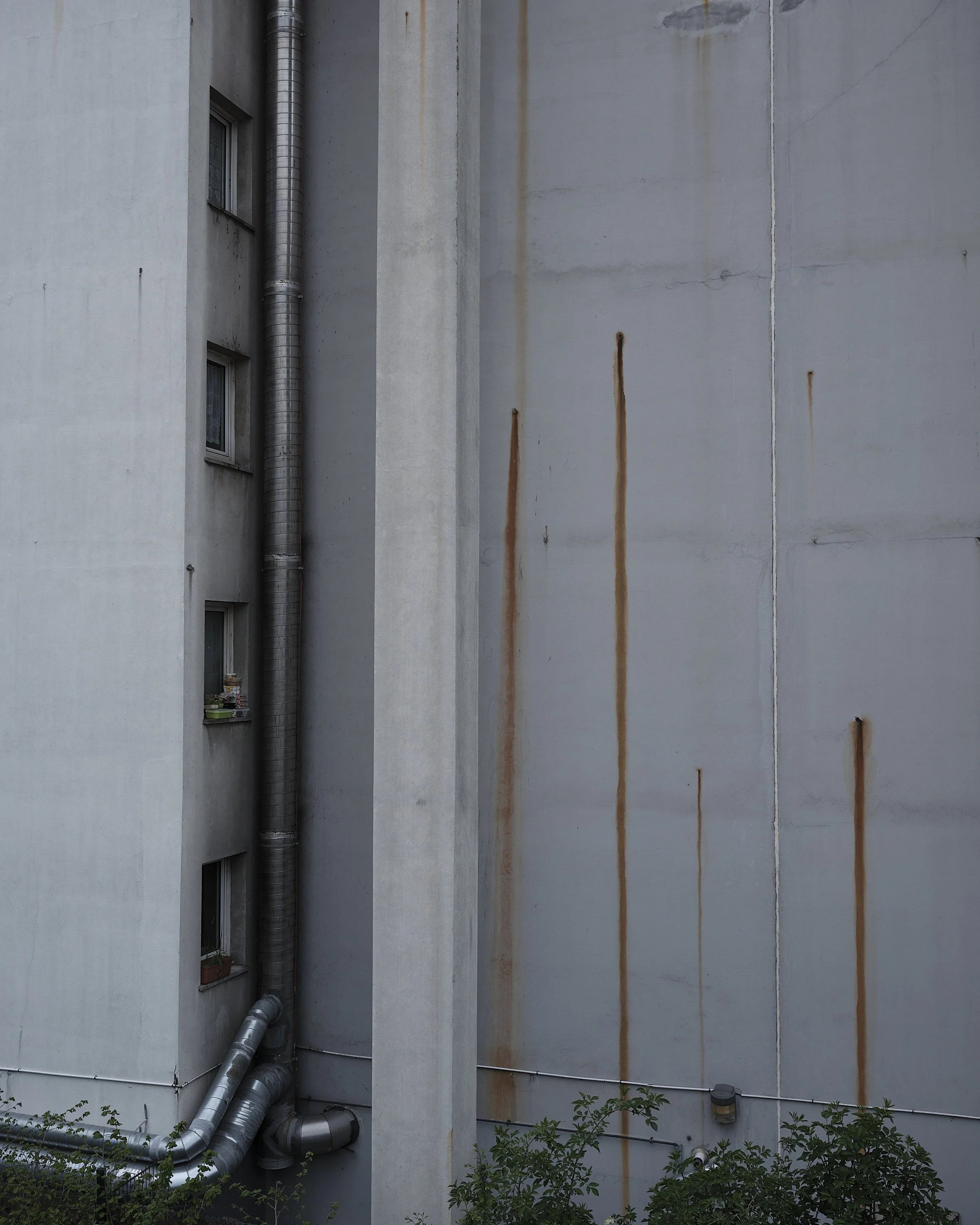
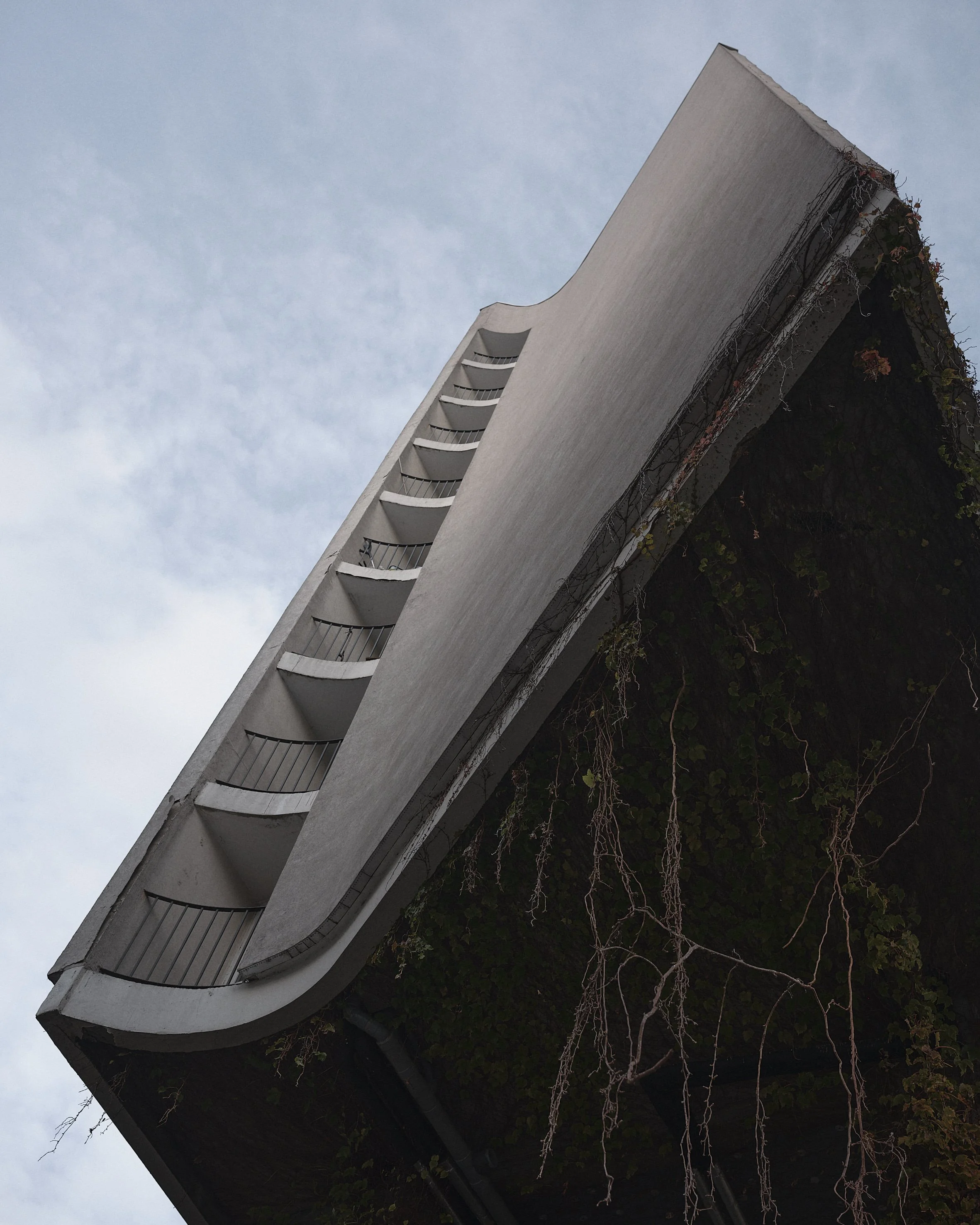
The mission I took upon myself is to bear witness to these changes, humbly following in Atget's and Marville’s footsteps. To recognise Paris outside Paris, its stones and signs and the traces of its inhabitants. […]
Every hundred and fifty years, give or take, Paris undergoes a moult, like a snake shedding its old skin in order to grow. For Paris, the skin has always been the city walls. Today, it's ideally the “Périph” ring road, which replaced the previous skin, the Thiers enclosure.

The first time I lived in Paris, in the late ‘80s, the map of the city I had hung on my wall stopped at the city’s doors, like the metro. Beyond the Périph laid uncharted territory, the other world, the suburbs that no Parisian needed to know, that one would pass through without paying it any attention.

Thirty-five years later, the metro network now extends well beyond the limits of  ‘le 75’ and the inner suburbs are increasingly integrated with the city: les Lilas and Saint-Ouen are no more distant mentally than Montmartre and Ménilmontant, which in turn were suburbs until 1860.

Differences are fading, people mixing, neighbourhoods gentrifying. The ‘walls’ become increasingly uncertain to the mind — thank you, Murakami-san, for this gift of verbal illumination, an apparent oxymoron but so profound a concept.

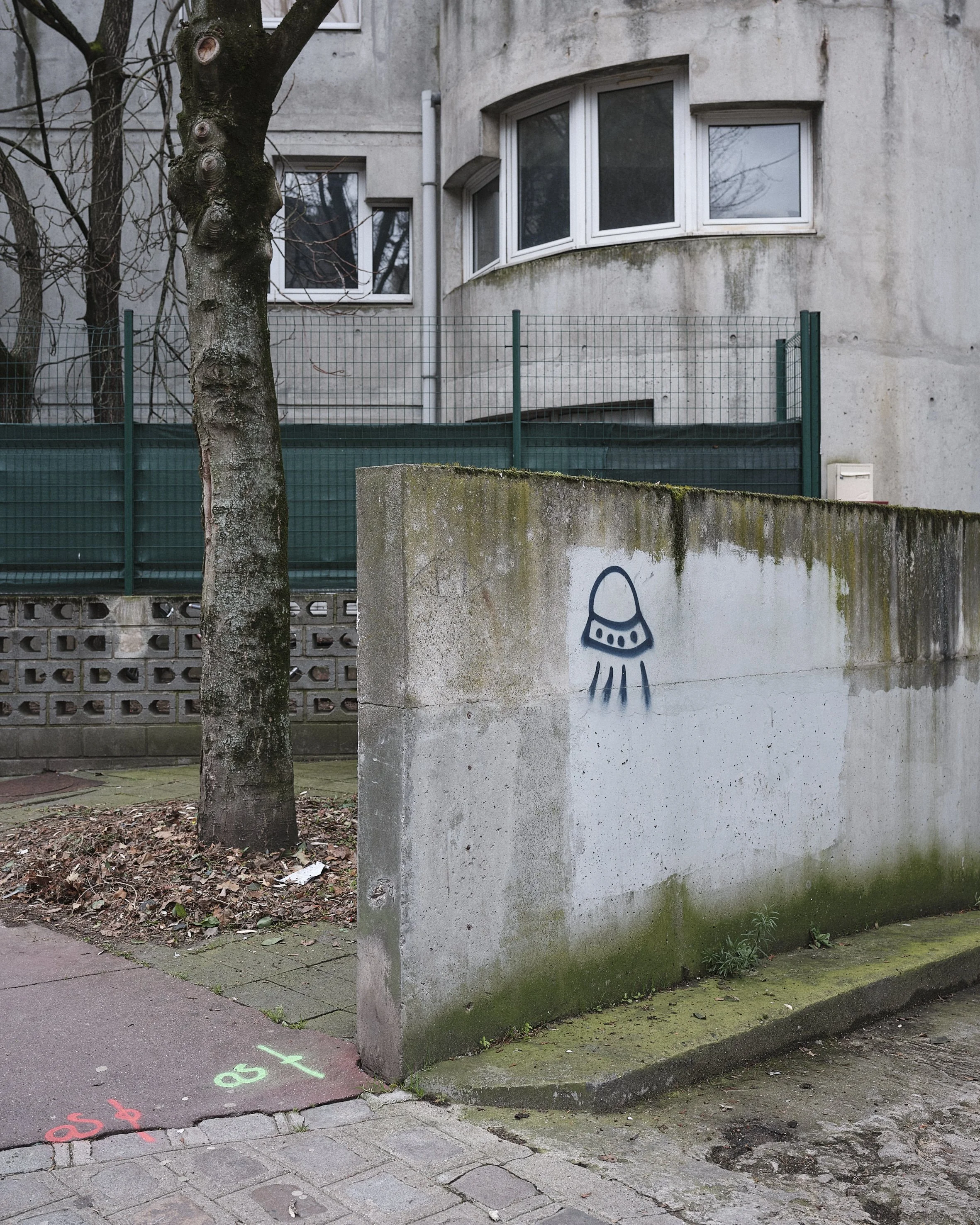
The mission I took upon myself is to bear witness to these changes, humbly following in Atget's and Marville’s footsteps. To recognise Paris outside Paris, its stones and signs and the traces of its inhabitants.